At a glance
Low take-up rates are rarely the result of a single failure. Small points of friction throughout the customer journey add up. The greatest potential lies between network availability and long-term usage. Managing all four phases systematically improves the customer experience, process efficiency, and profitability.
Deployment is just the beginning
Fiber optic expansion has made great strides in recent years. More households and businesses than ever can access a fiber connection. Nevertheless, the number of actually activated connections is growing significantly slower than the number of available ones. This trend shows that the biggest challenge today is no longer just about deployment. It begins afterward. Between an available connection and long-term usage lie numerous decisions, processes, and customer experiences. That is exactly where the take-up rate is determined.
Take-up is rarely lost at a single point
When the take-up rate falls short of expectations, people often look for a single cause.
Is sales too weak?
Is marketing missing?
Are the plans not attractive enough?
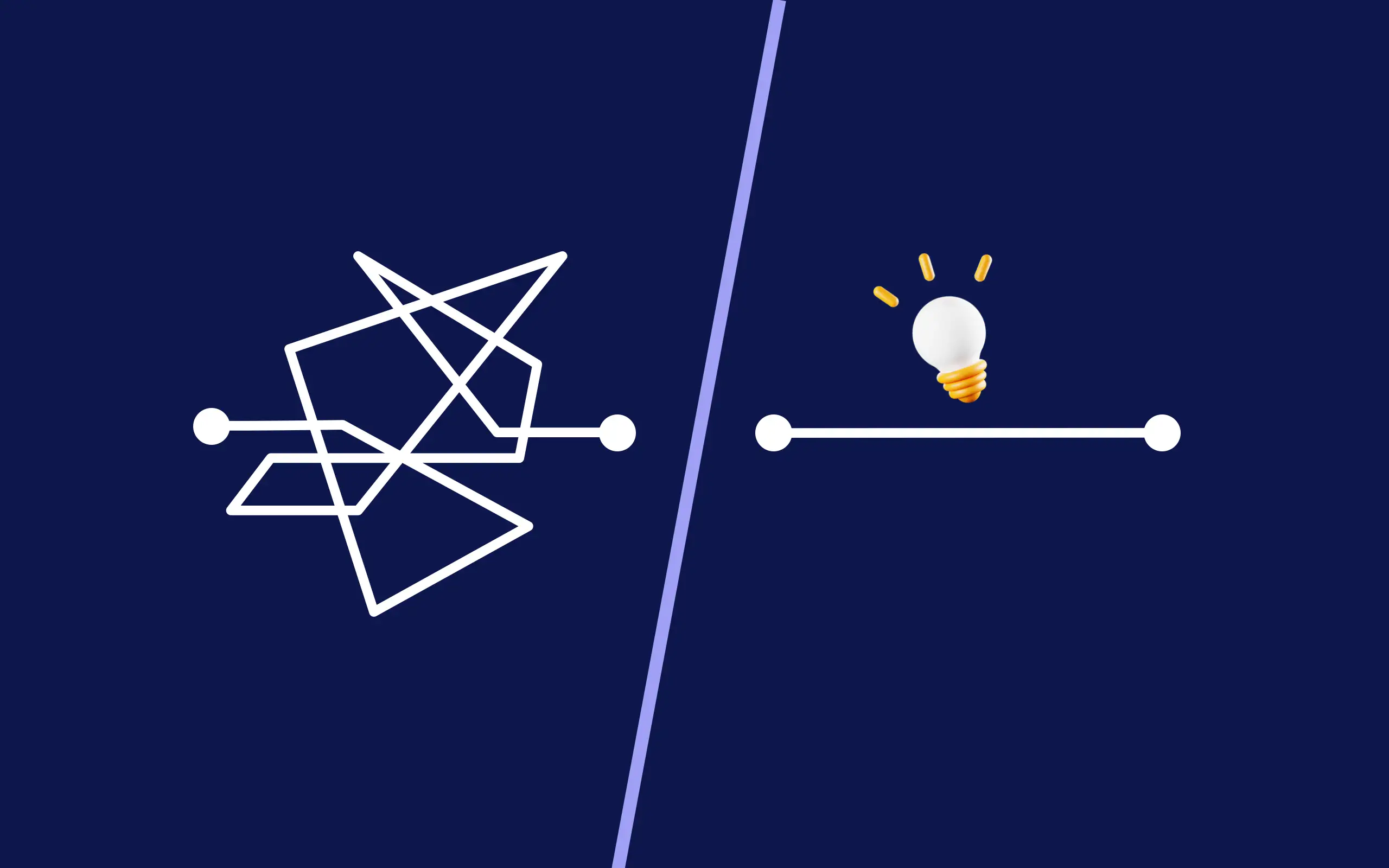
In practice, however, the picture is different. It is rarely a single factor that determines success. Much more often, several small points of friction arise along the entire customer journey. Every uncertainty. Every wait time. Every unclear process step. Every piece of missing information. Taken individually, these factors often seem insignificant. Together, however, they significantly influence whether an available connection becomes a permanently used one.
.webp)
Phase 1: Information
The first phase determines whether interested parties develop any trust in the process at all. Typical causes of lost potential include:
- unclear information about the expansion,
- contradictory statements from different points of contact,
- a lack of transparency regarding the process,
- unanswered questions about switching providers,
- incomprehensible technical jargon.
The result: interested parties postpone their decision or look for additional information.
The customer journey is extended even before the actual order. Key metrics to focus on: availability checks, use of information resources, and bounce rates on information pages.
Phase 2: Decision
Interest alone does not lead to an order. This phase determines whether customers actually take the next step. Typical causes of lost potential:
- complex ordering processes,
- uncertainty regarding installation and hardware,
- long wait times,
- lack of status updates,
- high perceived effort.
Every additional hurdle reduces the likelihood of a contract being signed. Key metrics to focus on: conversion rate, order abandonment, and time to contract completion.
Phase 3: Activation
The most operationally demanding phase begins after the order is placed. This is where technical processes and customer expectations collide. Typical causes of lost potential:
- unclear installation procedures,
- lack of preparation,
- difficulties with router setup,
- frequent inquiries, long activation times.
Every delay increases the effort for both sides. Key metrics to focus on: time-to-activation, support contacts during activation, and first contact resolution.
Phase 4: Usage
The final phase is often underestimated, yet it determines whether customers perceive their connection as a long-term improvement. Typical causes of lost potential include:
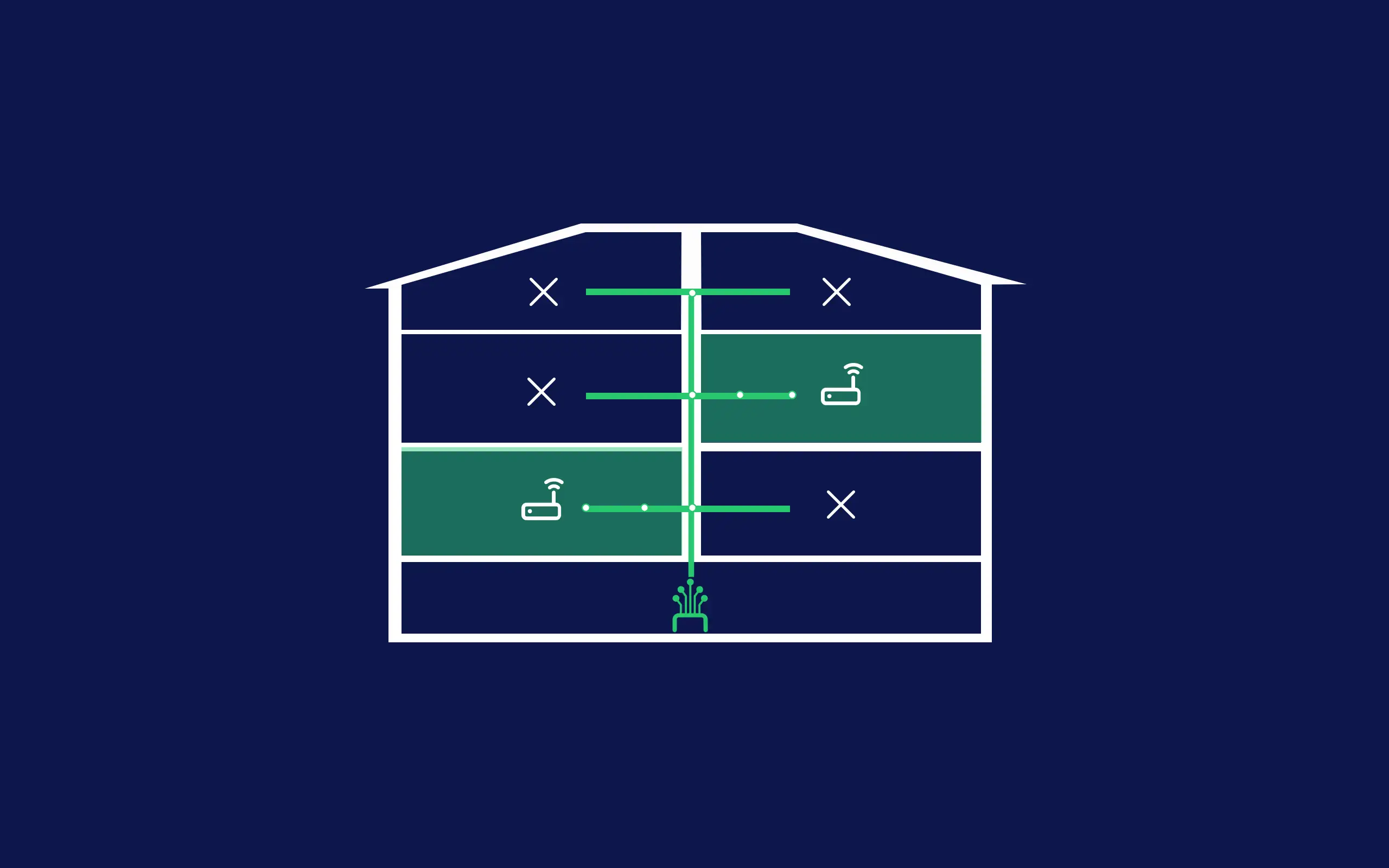
- Wi-Fi issues,
- poor router placement,
- unrealistic expectations,
- lack of post-activation support,
- recurring support contacts.
A technically functional connection does not guarantee a positive customer experience. Key metrics to focus on: Customer Effort Score, recurring support contacts, customer satisfaction, and self-service usage.
The real problem is the sum of many small points of friction
No single phase determines the take-up rate on its own. It is their interaction that dictates economic success. For example: A prospective customer inquires about fiber optics. The expansion information is incomplete. The ordering process raises new questions. The installation appointment is delayed. After activation, the Wi-Fi does not work as expected at first. None of these events alone necessarily leads to a negative experience. Together, however, they create a process that feels cumbersome and complicated. This is exactly where network operators lose valuable potential.
The take-up rate model connects the four phases
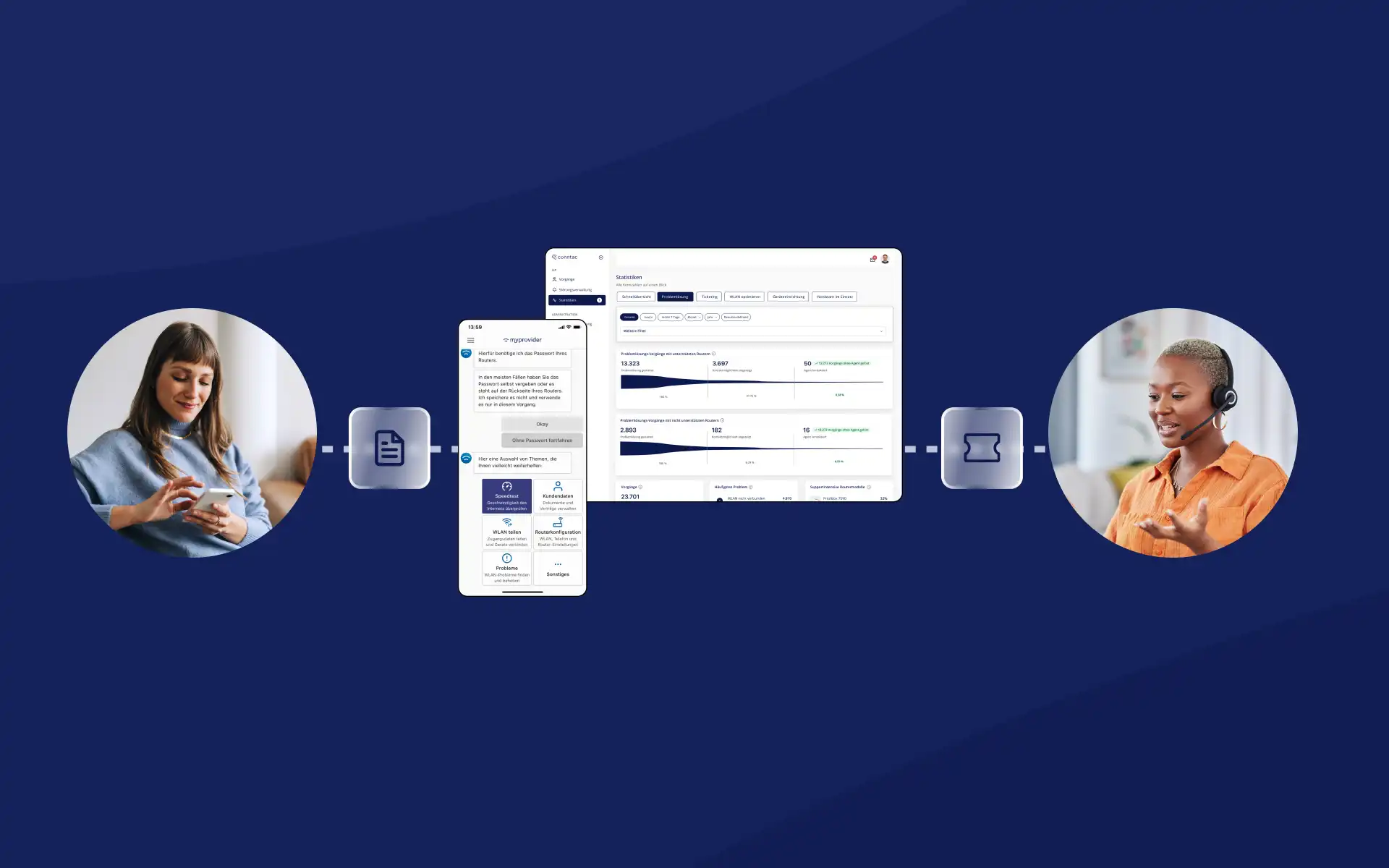
This development results in a model that brings together the four phases of the take-up journey. It views the path from an available connection to stable usage as a cohesive process. The four phases are: Information, Decision, Activation, and Usage. Each phase has its own goals, metrics, and optimization opportunities. Together, they form a consistent management logic for the economic utilization of fiber optic networks.
Why this understanding is becoming increasingly important
As fiber availability increases, the market is changing. More and more regions now have modern network infrastructure, and open-access models are on the rise. As tariffs become more comparable, the nature of competition is shifting. Success is no longer determined by the mere availability of a connection; instead, it depends on how efficiently network operators guide interested parties toward long-term usage. Consequently, the take-up rate is becoming one of the most critical management metrics in the fiber market.
From expansion to utilization
The past few years have been defined primarily by network expansion. With increasing network coverage, many operators are shifting their focus from infrastructure to the commercial utilization of their networks.
The focus is shifting from infrastructure to processes. From technical provisioning to actual usage. From homes passed to homes connected. And ultimately, to a consistently high take-up rate.
Conclusion
The commercial success of a fiber network is not created by expansion alone. It is created when an available connection becomes a connection that is used long-term. This is precisely why optimizing individual process steps is not enough. Network operators must look at the entire customer journey—from initial information and decision-making to activation and long-term usage. Those who systematically manage these four phases do more than just increase their take-up rate; they also reduce support overhead, shorten activation times, improve the customer experience, and boost the profitability of their network.
FAQ
Why is the take-up rate so important for network operators?
The take-up rate shows how many available fiber connections are actually being used. It links network utilization, revenue potential, and profitability, and it is becoming increasingly important as expansion rates rise.
Where do network operators lose the most potential?
It is not at any single point. Potential is often lost due to minor friction in the information, decision, activation, and usage phases.
How can the take-up rate be improved?
By managing the customer journey holistically. Transparent information, simple decision-making processes, seamless activation, and a positive initial user experience all contribute to a higher take-up rate.
Which metrics should network operators monitor?
In addition to the take-up rate itself, key performance indicators include availability checks, conversion rate, time-to-activation, customer effort score, and support contacts along the customer journey.
The take-up rate model at a glance
The six articles in this series show how the focus in the fiber-optic market is shifting:
- Blog 1: Network expansion is no longer the bottleneck.
- Blog 2: Information provides guidance and is the first lever for the take-up rate.
- Blog 3: Decisions are driven by effective process management, not just sales.
- Blog 4: Activation determines effort, speed, and the customer experience.
- Blog 5: Usage begins after activation and shapes the long-term perception of the provider.
- Blog 6: Only the interplay of all four phases leads to a sustainably higher take-up rate.
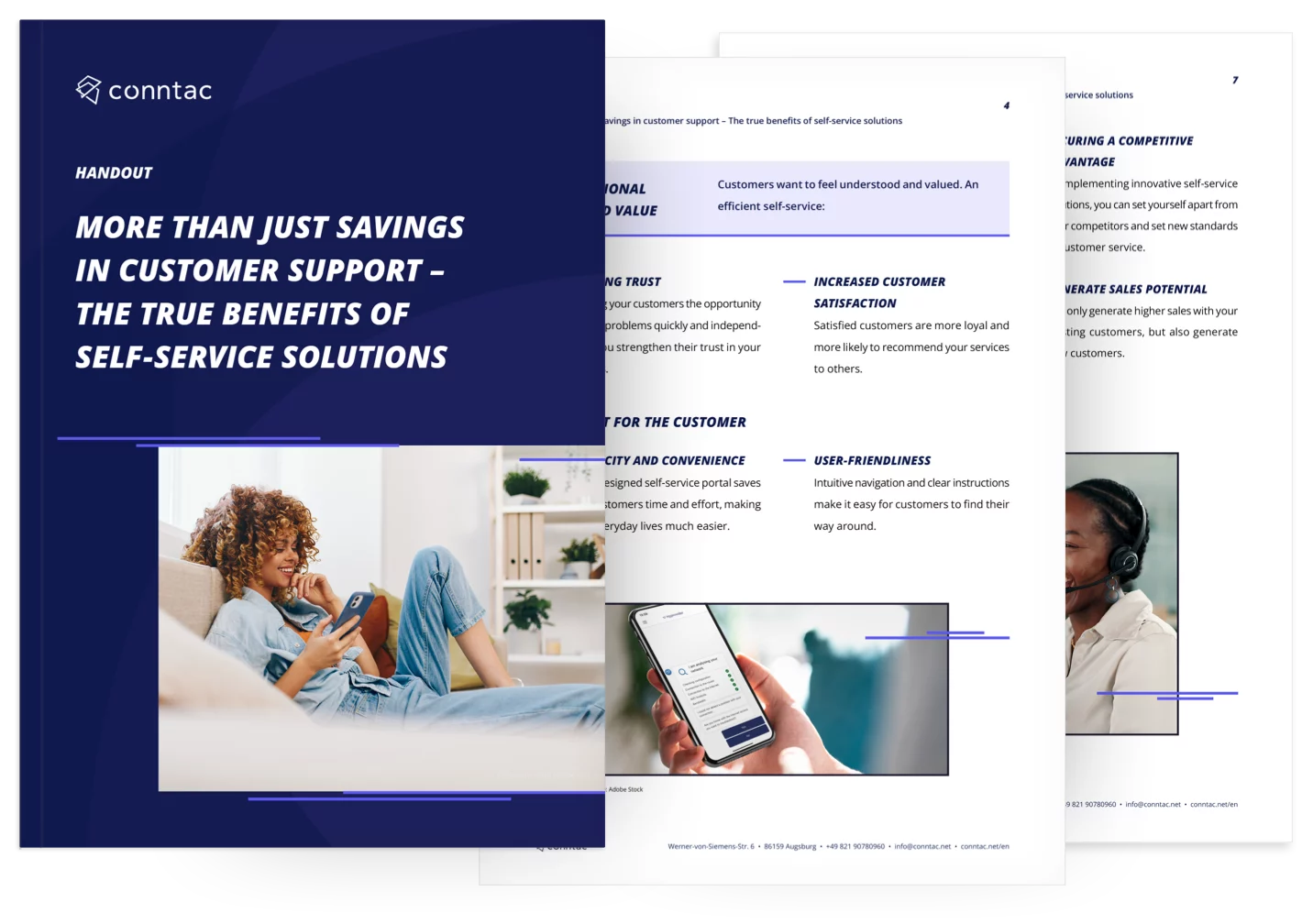
Download our whitepaper "Take-up is not driven by expansion" (DE) and learn how to optimize the entire customer journey, from availability to long-term usage.