What results from the new German Telecommunications Act (TKG) really changed – and why fiber activation is now a bottleneck
Classification at a glance
- The new TKG accelerates fibre-optic expansion in apartment buildings
- More buildings are being developed faster and more comprehensively
- The number of connections that can be activated simultaneously is significantly increasing
- As a result, the bottleneck is systematically shifted to the post-connection phase
- Activation develops from an individual case to a scaling process problem
- It is not the expansion that is decisive, but how quick and easy it is to use
Why the new TKG is changing more than just expansion
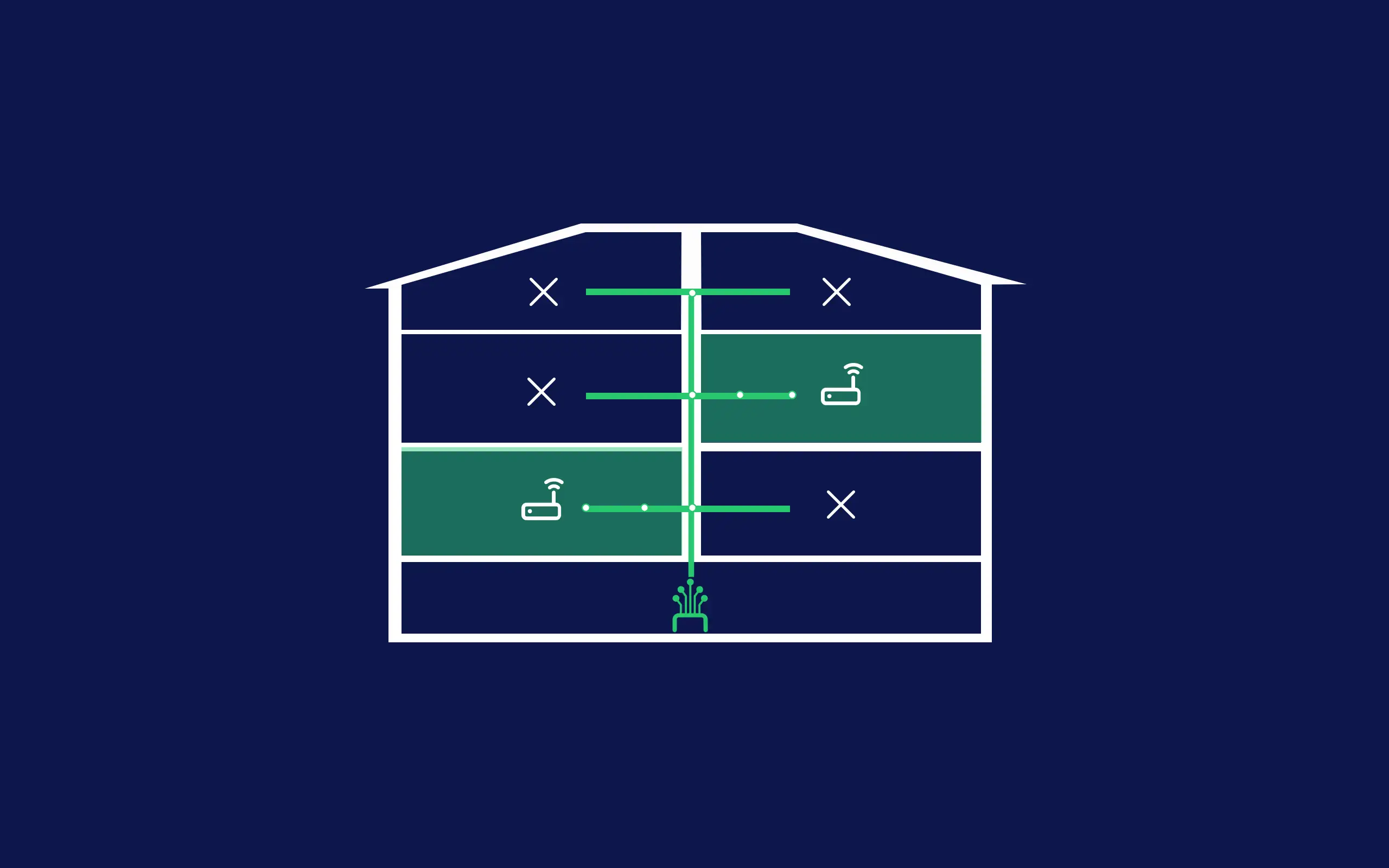
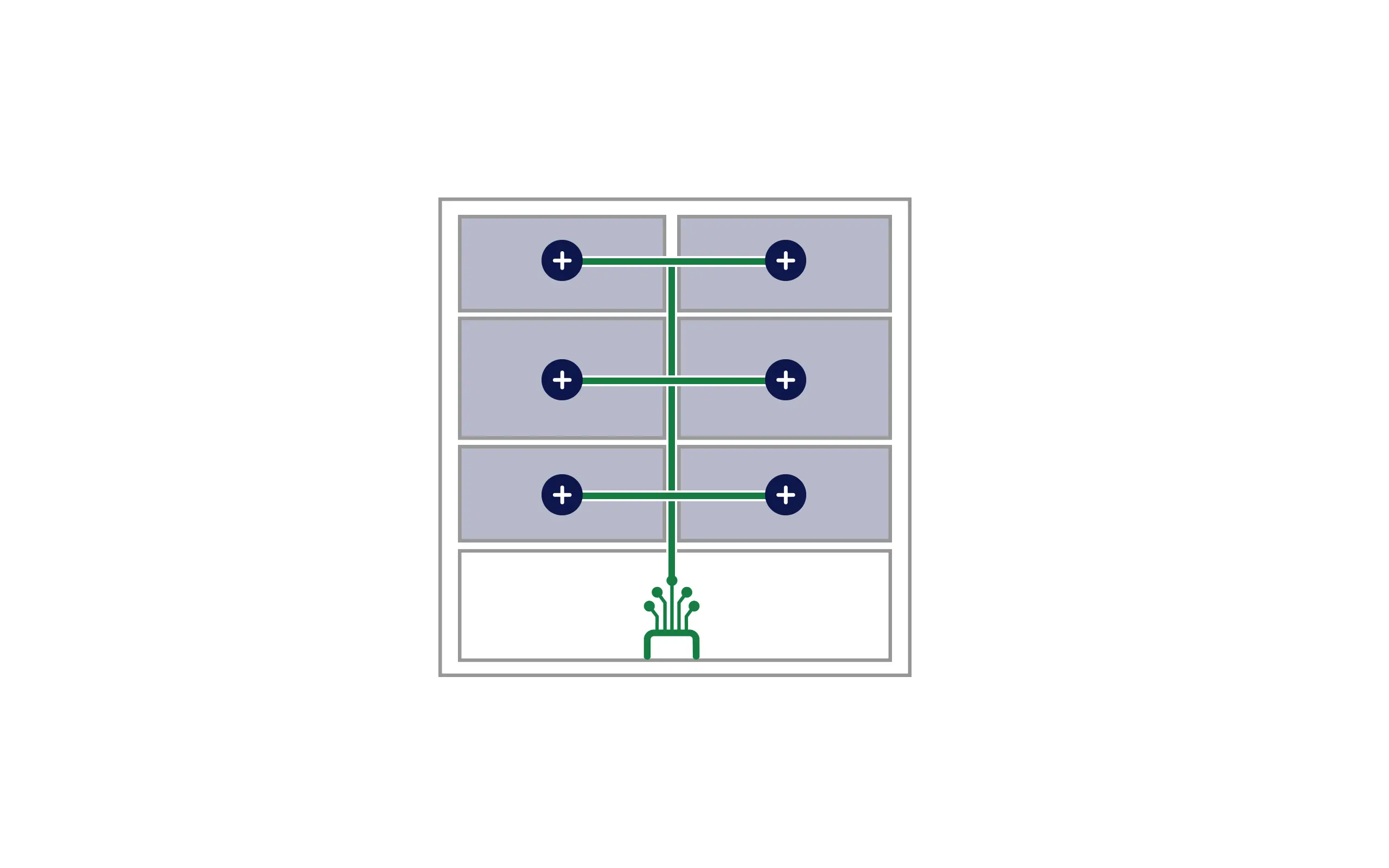
The planned changes to the Telecommunications Act address a central obstacle to fibre-optic expansion: the development of apartment buildings.
Less coordination effort, fewer blockages by individual owners and clearer framework conditions mean that buildings can be fully developed more quickly in the future.
This is an important step for infrastructure. At the same time, however, a new dynamic is emerging that is often underestimated: Expansion scales, but activation does not follow automatically.
This dynamic is particularly evident in the post-expansion phase. → Expansion completed – and then?
Classification from an industry perspective: Expansion alone is not enough
It is also clear from the industry itself that regulatory adjustments alone are not enough to solve the challenges in the fiber optic market.
Current assessments repeatedly emphasize that it is not only legal frameworks that determine success – but above all operational factors such as processes, information and implementation in everyday life.
Especially when expanding buildings, there is a recurring pattern: The central problem is not the lack of expansion, but practical implementation and use after development.
This confirms a central observation from many projects: The bottleneck is not exclusively within the regulatory framework – but in the subsequent phase.
The decisive effect: The TKG scales the activation problem
With the new TKG, it is not only the speed of expansion that is changing. In particular, the scale of the challenge changes afterwards. Instead of individual connections, entire buildings or roads will be connected simultaneously in the future.
That means:
- more households in the same period
- more parallel activations
- more initial contacts with the service
The key difference: The problem of activation remains the same – but it occurs more frequently and simultaneously. What was previously an operational issue is therefore becoming a structural challenge.
The TKG is not only scaling the expansion – but also the activation problem.
What this means in practice
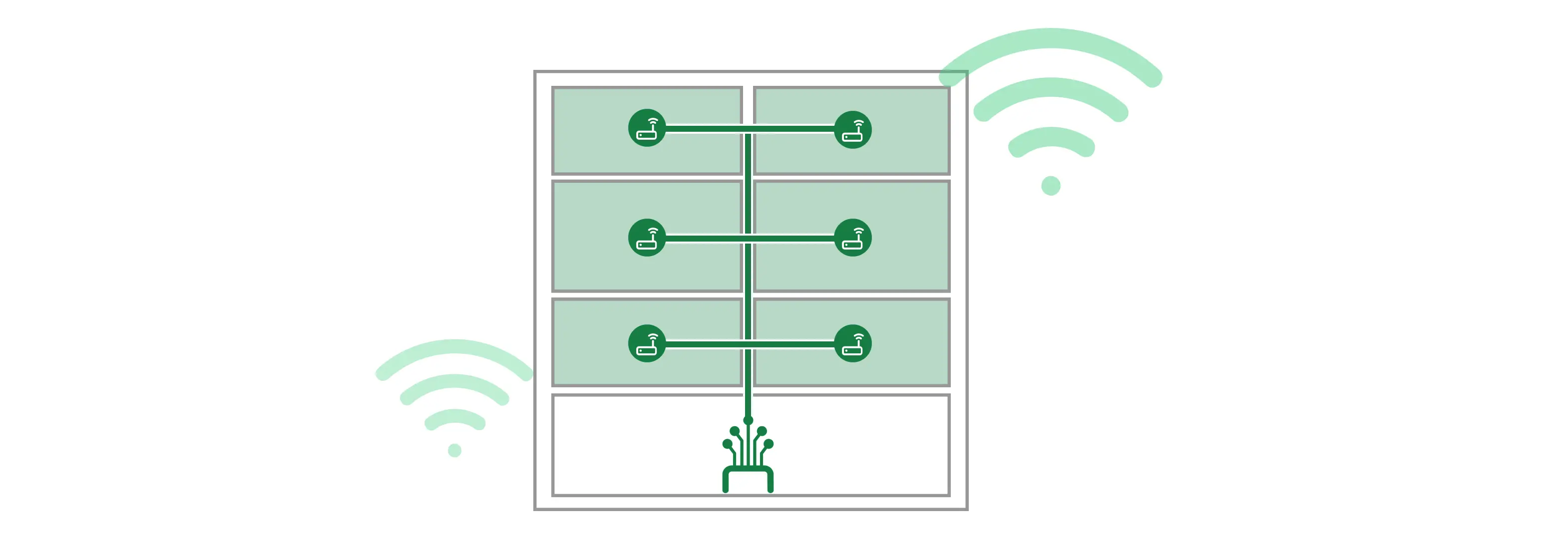
A typical rollout scenario: An apartment building with 80 units is fully connected and marketed within a few days, and many households sign up shortly after.
Technically, everything is ready. Operationally, a different picture emerges:
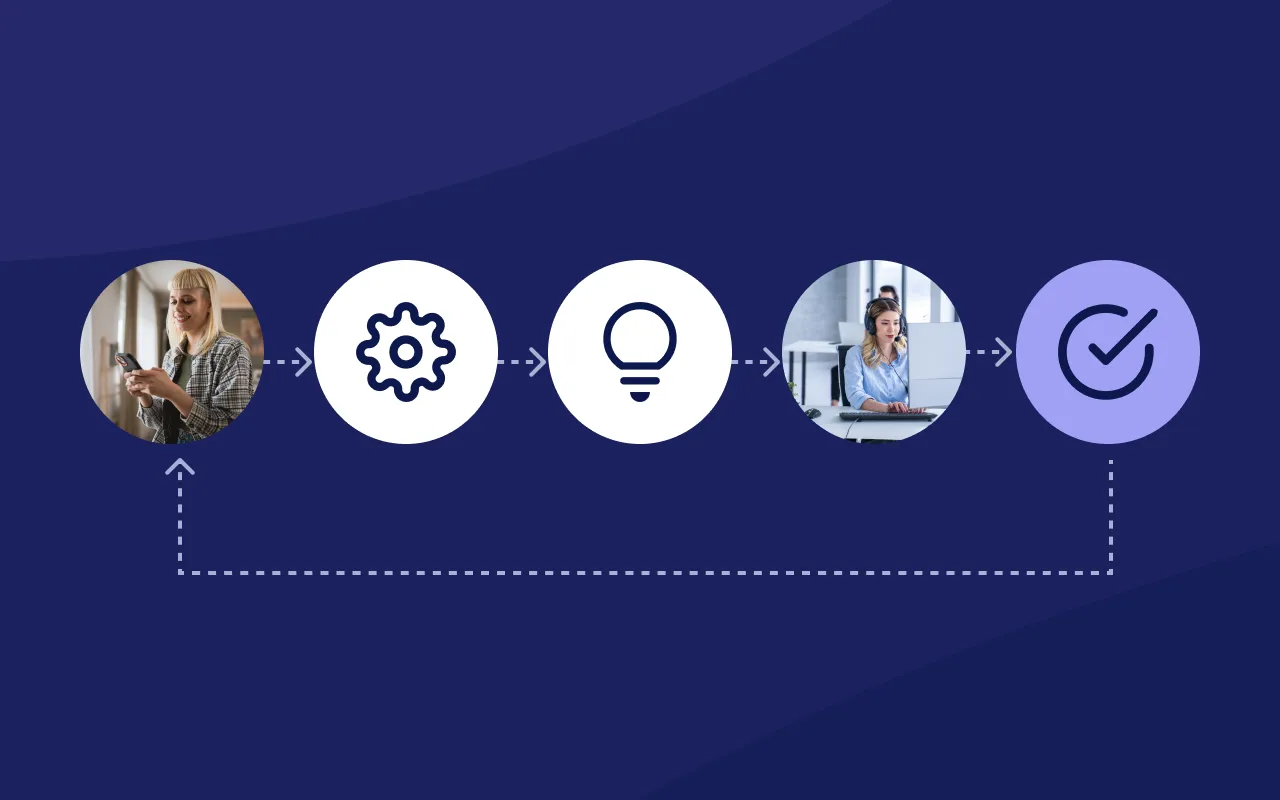
- Dozens of customers enter the activation phase at the same time
- The same questions arise in parallel
- Support becomes the first point of contact, even without any technical issue
The problem itself isn’t new. What’s new is the simultaneity. What used to happen occasionally now occurs in clusters – and turns into a structural bottleneck.
Why expansion still does not automatically mean use
Even with improved legal framework conditions, a central pattern remains: Availability does not automatically result in usage. There is still a gap between connection and actual use.
Typical questions on the customer side include:
- When can I use the connection?
- What do I have to do specifically?
- Which devices do I need?
- Who do I contact if I have problems?
These questions arise regardless of how quickly or efficiently the expansion was carried out. They arise because there is a lack of orientation.
→ Why the take-up rate is faltering: Customer experience as a lever for fiber acceptance

Apartment buildings as amplifiers – not as a cause
Multi-family buildings play a special role in this context – but for a different reason than is often assumed.
It is not the buildings themselves that are the problem. They reinforce an existing pattern:
- several parties with different levels of information
- a transition between building infrastructure and housing
- lack of clear responsibility from the customer's perspective
The new TKG ensures that exactly this structure will be more common in the future. This makes it possible to see what has already existed before – only on a smaller scale.
→ Why multi-family buildings are becoming a critical phase in fibre-optic expansion
What is changing operationally for Internet providers
With this new dynamic, the operational reality in service is also shifting.
Typical effects:
- more concurrent requests after activation
- increasing load in the phase after contract conclusion
- higher scalability requirements in support
At the same time, the nature of the inquiries remains the same: It is rarely about technical faults, but about classification, understanding and next steps.
→ Why WiFi problems arise in customer service
The real bottleneck: missing process structure
The central challenge lies not in expansion, nor in technology. It lies in the lack of structure between connection and use.
Many projects show:
- Information is distributed
- Processes are not consistently managed
- Customers must find out for themselves what needs to be done
This works with individual connections. With scaling volumes – such as those created by the TKG – it becomes a problem.
Activation becomes a controllable variable
As expansion volumes increase, activation is becoming an economically relevant factor.
The decisive factor is not only whether a connection is activated, but:
- How fast
- With what effort
- With how many service contacts
A central lever here is the so-called customer effort – i.e. the effort that customers have to make use of their connection.
The higher this effort:
- The later it is used
- The higher is the volume of support
- The greater is the probability of termination
→ What is the customer effort score in customer service
The missing layer between infrastructure and usage
What is missing in many projects is a connecting layer between:
- technical infrastructure
- actual use in everyday life
This level would need to:
- Provide orientation
- Structuring processes
- Provide contextual information
Without this layer, friction occurs – regardless of how well the expansion works.
Conclusion: Regulation solves expansion – but postpone the bottleneck
The new TKG is an important step in expanding the fibre-optic network. It reduces structural hurdles and enables faster development – particularly in apartment buildings. At the same time, the bottleneck is shifting: away from expansion. Towards activation.
For Internet providers, public utilities and network operators, this means that economic success is no longer primarily decided in construction, but in use. This is exactly where digital self-service approaches come in, which provide orientation, structure processes and make activation scalable. Expansion is decisive for availability. Activation is decisive for profitability.


.webp "Rollout without IT effort")