Classification at a glance
- Fibre-optic expansion is progressing faster than actual use
- Many problems only arise after the connection
- Network levels 4 and 5 form the critical transition phase between infrastructure and everyday life
- In this phase, customers particularly need guidance
- A large proportion of support contacts are not caused by network problems, but by uncertainty
- The bottleneck is therefore not in expansion, but in the activation process
The real problem starts after expansion
Fibre-optic expansion in Germany is reaching more and more households. Expansion rates are increasing, funding programs are accelerating projects and new connections are being implemented at high speed.
Nevertheless, the same pattern is evident in many regions: Technical availability is increasing faster than actual use. Many connections remain unused, are activated late or generate high service costs immediately after switching – particularly in apartment buildings.
The key point here is that fibre-optic expansion ends technically in the building – it only begins economically there. Because it is only when customers actually use their connection that:
- active contracts
- stable customer relationships
- Network utilization
- predictable sales
However, it is precisely at this transition that friction often occurs.
Why optical fiber is often not used
When talking about low take-up rates, the focus is often on topics such as price, marketing or competition.
These factors play a role. In practice, however, there is an additional bottleneck: Many problems only arise after the contract has been concluded. The connection is available. However, use has not yet begun.
Customers then ask themselves questions such as:
- What exactly do I have to do now?
- Which devices do I need?
- Is the connection already working?
- Why is my WiFi slow?
- Where can I get help?
These questions are rarely technically complex. Nevertheless, they regularly result in:
- uncertainty
- abortions
- Hotline contacts
- delayed activation
This moves the actual problem to the phase between connection and use.
More about this also in Knowhow on Customer Experience.
Network levels 4 and 5: The critical phase in the fiber optic network
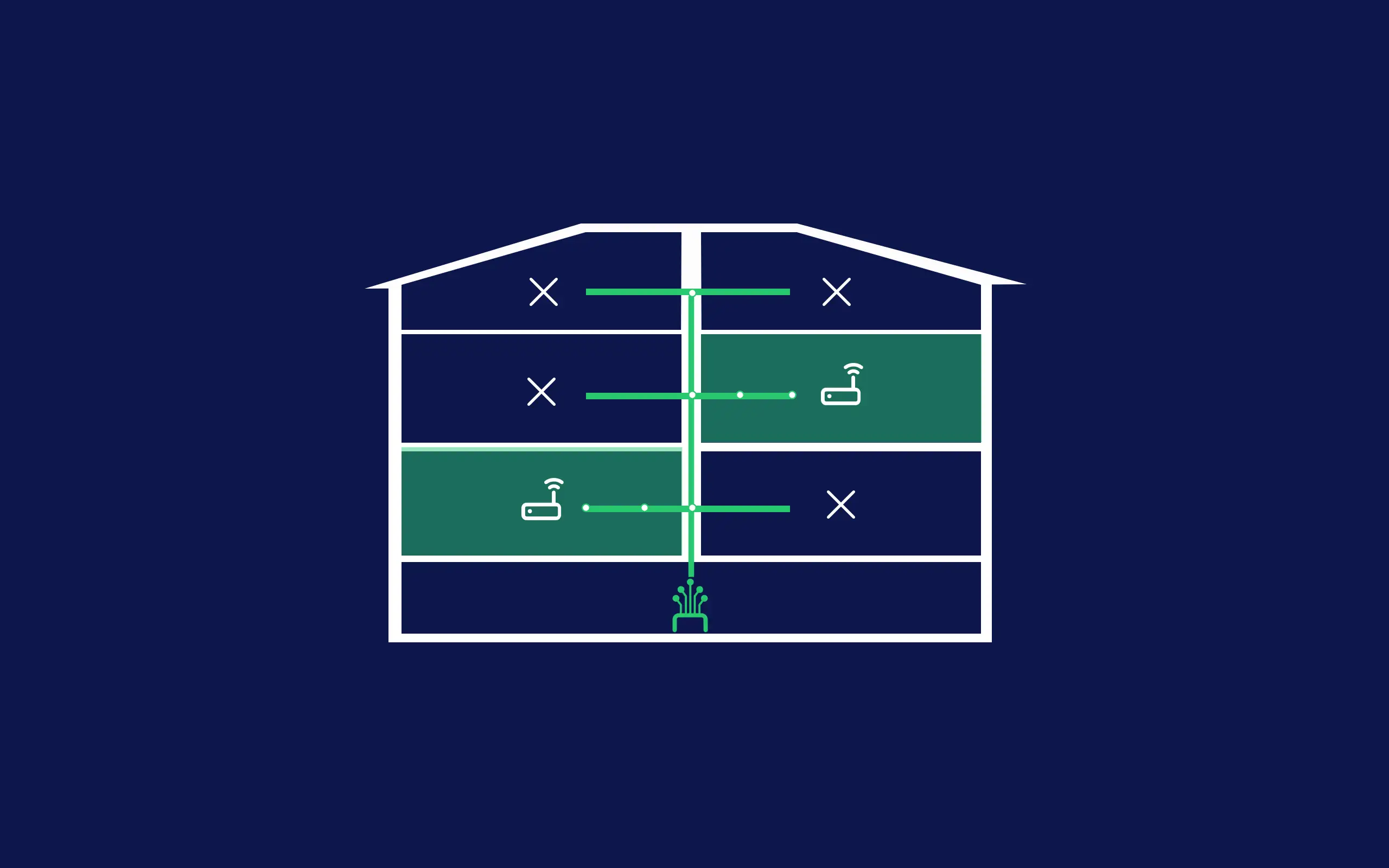
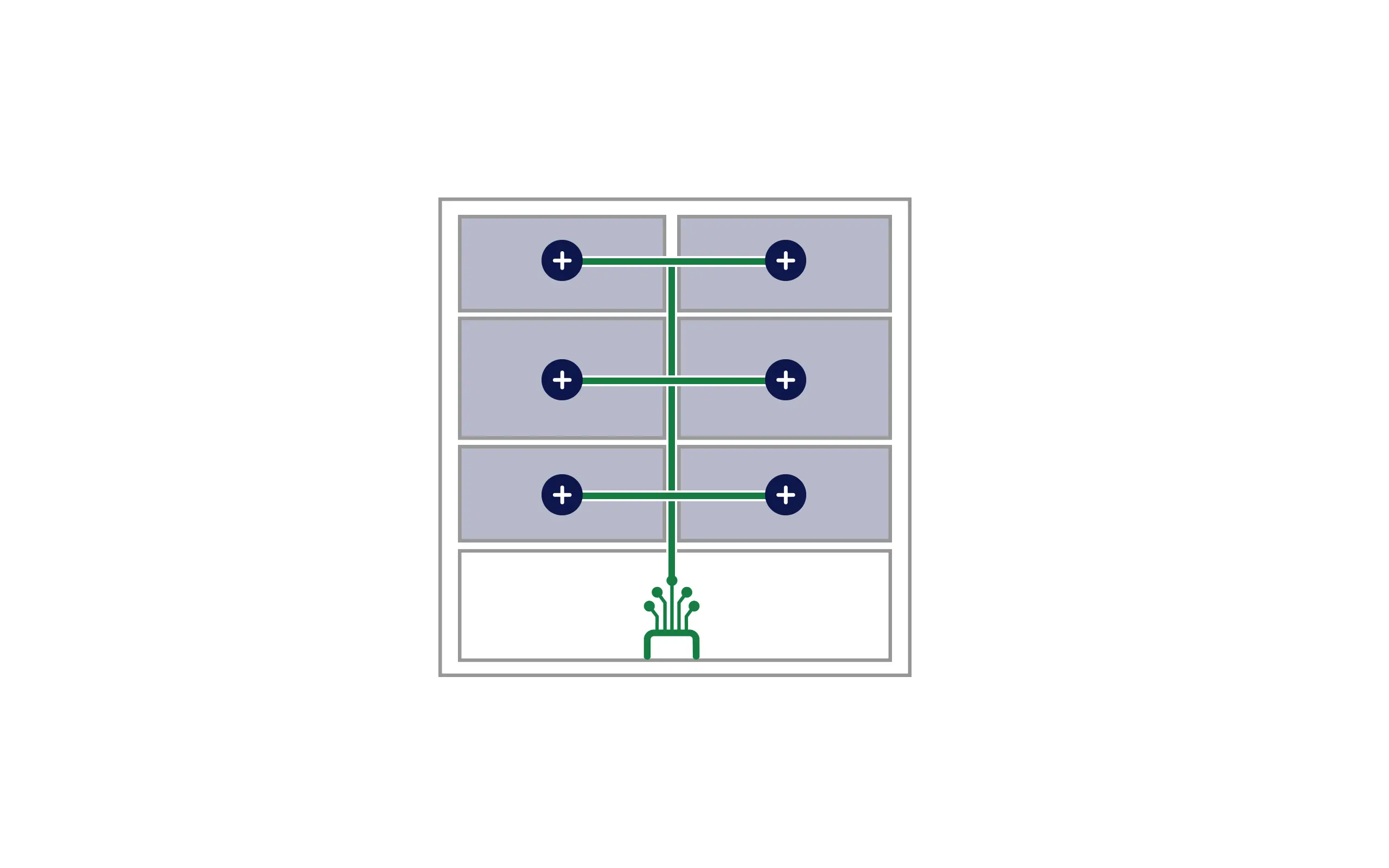
In fibre-optic expansion, network levels 4 and 5 describe the area within buildings.
Briefly summarized:
- Network level 4 (NE4) comprises the infrastructure within the building
- Network level 5 (NE5) describes the connection to the home or the terminal device
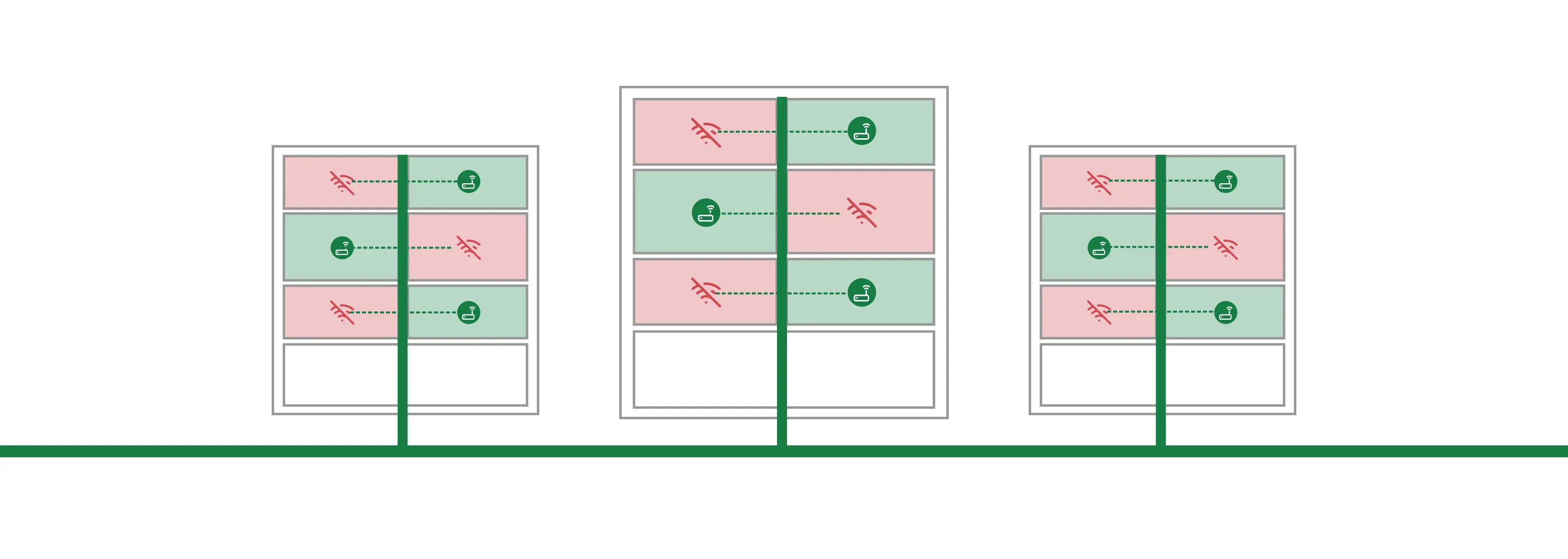
Especially in apartment buildings, this creates a critical transition between infrastructure and actual use. Because technically, expansion often ends in the cellar. However, actual use only begins in the home. This phase is often underestimated during expansion – but is decisive for actual use.
The real problem: lack of orientation at the decisive moment
The situation is similar in many projects. The port was activated. Technically, everything works. Nonetheless, there is uncertainty.
Typical situations:
- The router was plugged in but the WiFi is slow
- Login details are unclear
- Customers don't know whether activation is complete
- Devices behave differently than expected
- Repeaters or mesh systems create additional complexity
As a result, customers start with trial & error. They try different things, search for information on multiple channels, or contact support. This not only results in operational expenses. It also creates a negative user experience right from the start. This becomes particularly problematic when there is no guided processes exist, who guide customers through this phase step by step.
Why there are so many support cases here
A large proportion of support contacts are not caused by faults in the network itself. The causes are often due to home network or in the usage situation.
Particularly common:
- WiFi issues
- unclear setup steps
- lack of transparency
- wrong expectations for speed or devices
- lack of structured fault analysis
This creates several problems at the same time:
- high call numbers
- unnecessary escalations
- Repeated queries
- long processing times
- Burden on service teams
As a result, many providers are experiencing a paradoxical pattern: The connection works technically – but there is still a lot of operational effort. This is precisely why the post-connection phase is increasingly becoming a service issue.
Why classic systems don't solve this problem
Many existing systems perform important tasks. However, the problem lies elsewhere.
- Infrastructure systems end with expansion
- CRM and ticket systems work mostly reactively
- Documentation is often too complex or too distributed
- Hotline processes only take effect after a problem has occurred
There is a lack of active support in exactly this phase. Customers often receive information – but not guided through the process. This creates a gap between technical infrastructure and actual use.
Network levels 4 and 5 are not an infrastructure problem, but a process problem
The decisive thesis is: The problem is not that optical fiber does not work – but that customers are not guided through use. That is precisely why technical expansion figures alone are not enough.
The decisive factor is:
- How easy it is to activate
- How much effort do customers have to make
- How comprehensible processes are designed
- How quickly problems can be identified
This brings up topics such as Customer Effort. Focus on activation and service costs.
More about this also in the article Why fiber activation determines the success of expansion projects.
The higher the effort for customers becomes, the more likely:
- abortions
- delayed use
- additional service contacts
The missing layer between connection and use
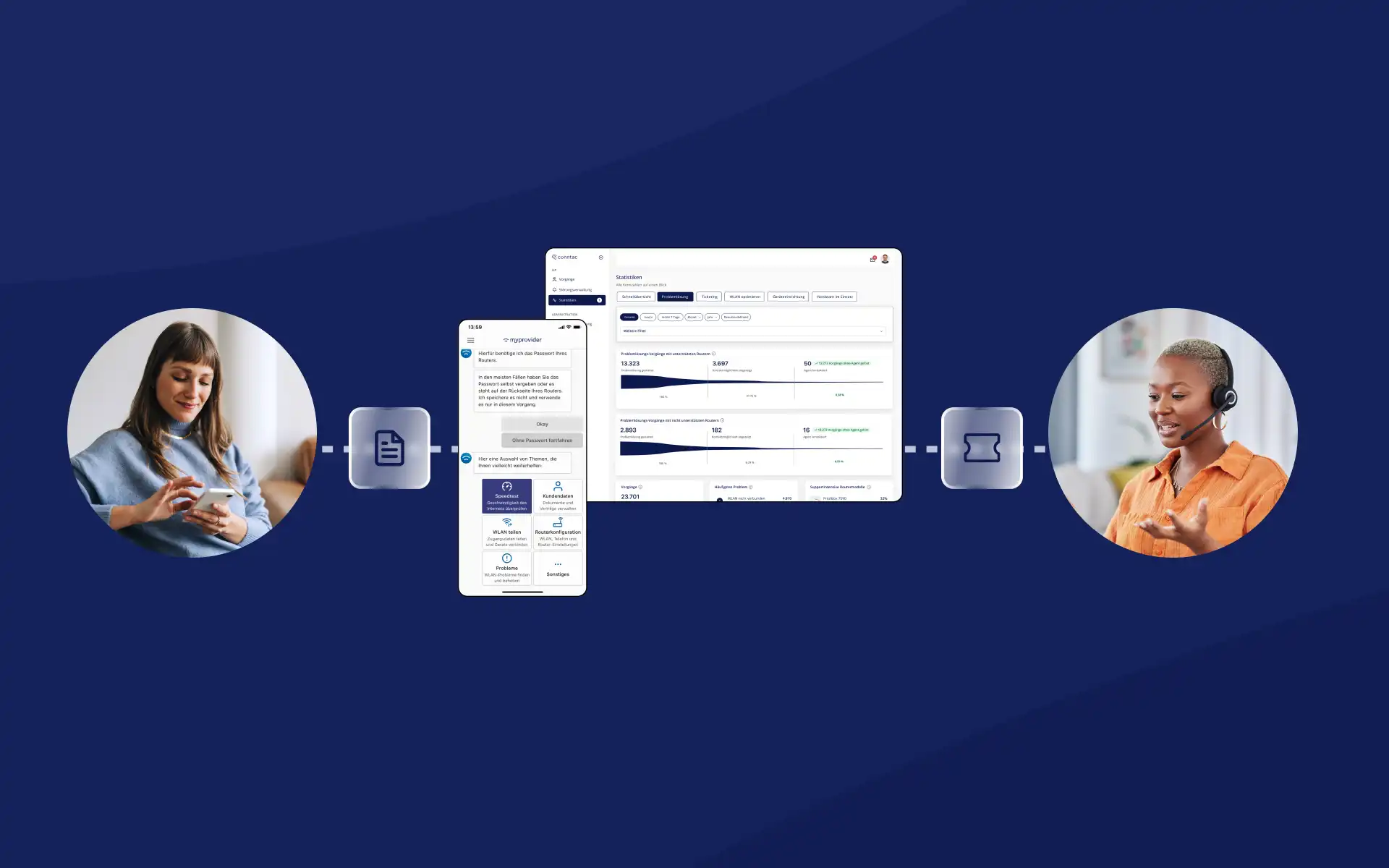
There is often a lack of a structured, digital level of interaction between network and use. This is exactly where most of the friction is generated today.
This level would need to:
- Be understandable
- Work in a contextual way
- Actively lead customers
- Reduce uncertainty
- Deliver information at the right time
It is not about additional complexity. It is about making processes comprehensible. Especially at network levels 4 and 5, this creates a decisive difference between technical availability and actual use.

What role self-service plays in network levels 4 and 5
Self-service is often misunderstood in this context. It's not about simply replacing support. The actual function is to support processes in a structured manner.
These include, for example:
- guided initial router setup
- understandable activation processes
- WiFi analysis in the home network
- structured problem identification
- transparent handovers to support
Important: It is not individual features that are decisive, but the process logic behind them. Good self-service processes reduce uncertainty before a support contact is made. This also changes the nature of service cases: away from hectic inquiries. Towards targeted, more comprehensible concerns.
Why the topic is gaining in importance right now
Several developments are currently increasing pressure at network levels 4 and 5 simultaneously.
This includes:
- increasing fibre-optic expansion in apartment buildings
- increasing competitive pressure
- Open access models
- Migration of copper to fiber
- regulatory developments relating to building development
- increasing expectations for digital service processes
This increases the number of connections that must be activated and accompanied at the same time.
That is precisely why the bottleneck is increasingly shifting: away from expansion. Towards activation and use. This is already particularly evident today in apartment buildings and in migration projects.
conclusion
The expansion of fibre-optic cables creates availability. However, actual use only occurs at network levels 4 and 5. This is where infrastructure, home network, devices and user behavior meet.
Without a clear structure, the result is:
- uncertainty
- unnecessary support contacts
- delayed activation
- rising service costs
This makes it clear that network levels 4 and 5 are not just technical levels. They are the decisive phase between connection and actual use.
Self-service is thus becoming the connecting layer between network and usage – and thus a central component of modern service processes for Internet providers.
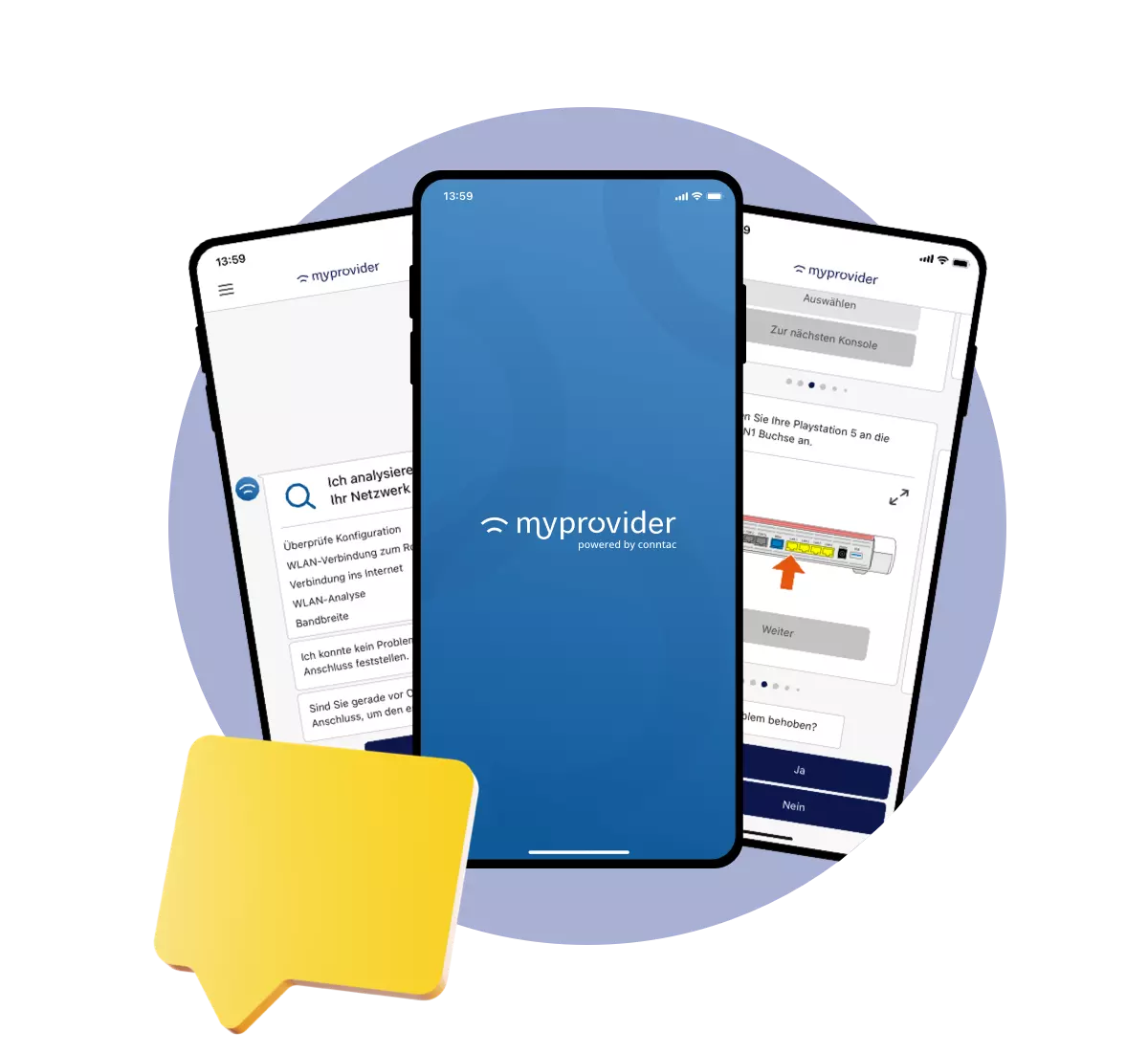
Solutions such as MyProvider help Internet providers to support exactly this phase in a structured way: with understandable activation and digital orientation along the entire customer journey.


.webp "Rollout without IT effort")