Classification at a glance
- Millions of households are facing the switch from copper to fiber
- Operational pressure is shifting from expansion to activation
- Complex transitions between network and use occur, particularly in apartment buildings
- Many support contacts arise not because of faults, but because of a lack of orientation
- Migration is thus becoming a service and process problem on a large scale
- Guided self-service processes reduce effort and create orientation
The market is on the verge of a new phase
The Fibre-optic expansion progresses. At the same time, pressure on existing copper networks is growing. As a result, more and more households will have to migrate technically in the coming years.
The Federal Network Agency and numerous market participants are already discussing the gradual shutdown of copper-based networks. At the same time, regulatory changes are accelerating expansion in apartment buildings. As a result, the number of households that must be activated, set up and supported at the same time is increasing.
This creates a new reality for Internet providers: The bottleneck is no longer primarily in civil engineering. It is created after connection. This is exactly where the actual operational effort starts.
The central challenge is therefore no longer just: “How do we expand faster? ”
Instead: “How do we make the transition from existing use to new use as smoothly as possible? ”
Migration is not an infrastructure project
Many organizations initially look at migration from a technical perspective:
- Switch connection
- Replacing the router
- Activate access
- Migrate a tariff
In practice, this perspective is not enough.
Because for end customers, migration means something completely different:
- new devices
- new processes
- new terms
- new uncertainties
This is particularly obvious when switching from DSL to fiber optics.
Many households have been using their previous connection unchanged for years. The router works, the WiFi works, everyday life works. Migration suddenly creates pressure for change.
Questions like these are typical:
- Do I need to change my router?
- When is the switch over?
- Does my phone still work?
- What happens to my WiFi?
- Who can help me if I have problems?
These questions are rarely technically complex. They are caused by a lack of orientation. This is exactly what results in service costs.
Why migration is becoming particularly complex in apartment buildings
The situation is becoming particularly critical in apartment buildings. This is exactly where several developments are currently meeting at the same time:
- accelerated expansion
- regulatory pressure
- high number of parallel activations
- different responsibilities
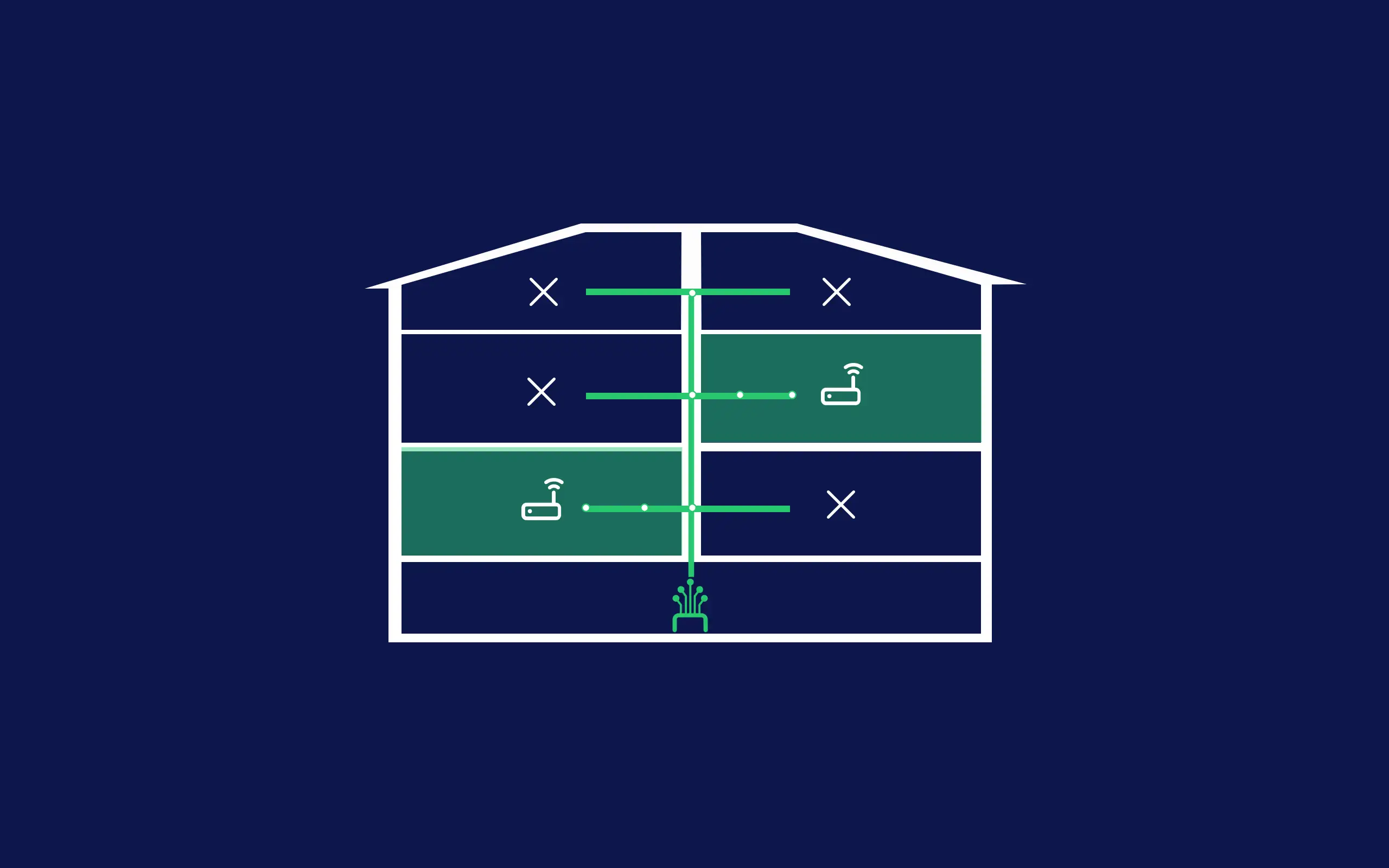
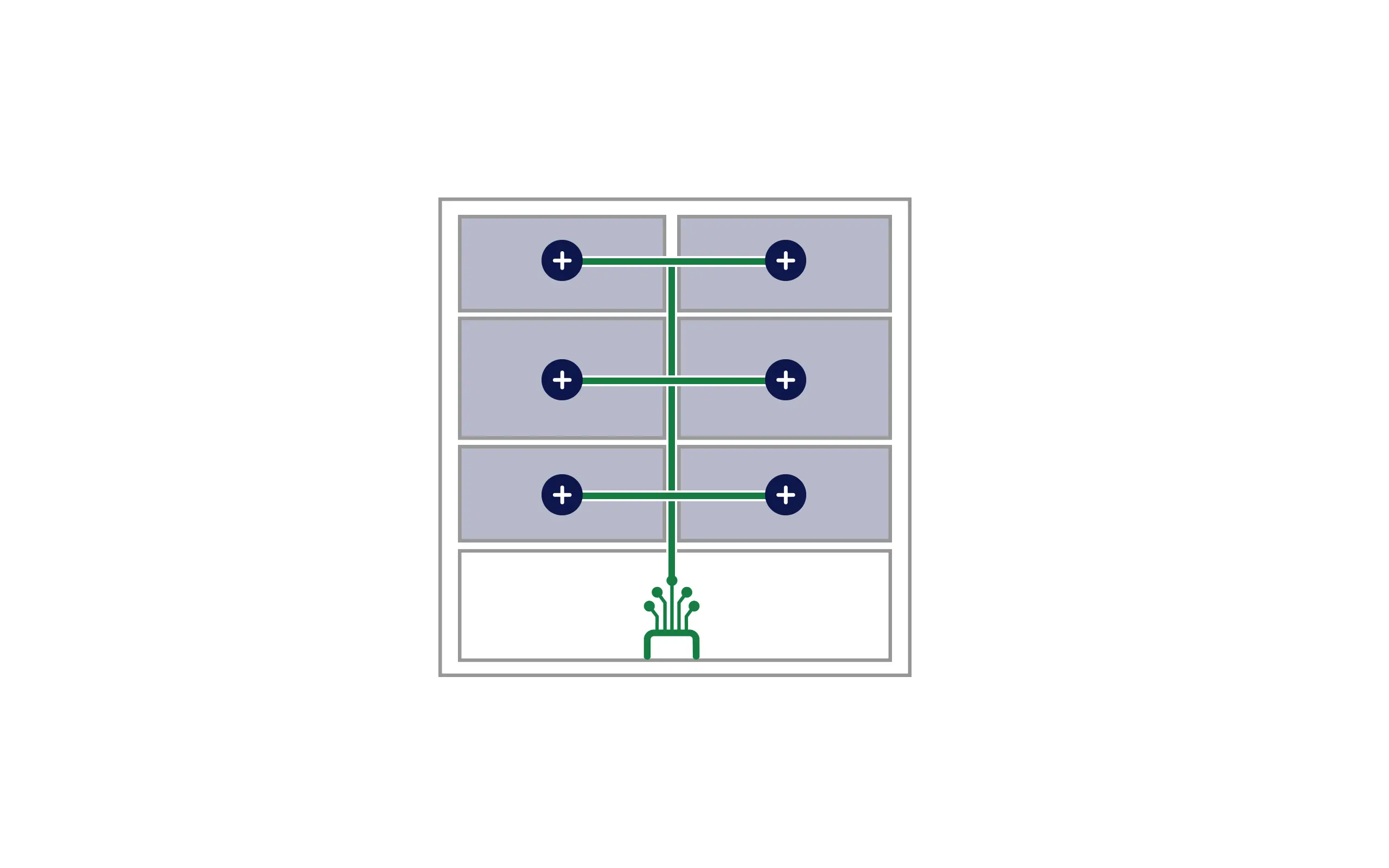
This makes the transition between network and actual use significantly more complex. This is because the fibre-optic connection often ends in the basement. However, use only begins in the home.
Typical points of friction arise in between:
- property management
- owners associations
- tenants
- different router and home network situations
- unclear responsibilities
It is precisely these transitions that generate a great deal of coordination effort.
→ Read more about this in the article: Expansion completed – and then?
Many support requests therefore arise not because of technical errors, but because no one clearly communicates:
- What has already happened?
- What else is happening?
- Who is responsible?
- What customers actually need to do?

New user groups are changing support
As a result of migration, user groups are also changing.
Not all customers are tech-savvy. Today, many expect in particular:
- simplicity
- transparency
- understandable processes
- immediate orientation
These expectations are increasing in parallel with digitization.
The contradiction here: The technical complexity continues to increase in the background. Routers, mesh systems, repeaters, various connection types and hybrid home networks significantly increase the need for explanation.
The result is reflected in support: Many contacts are not about real network faults, but about situations such as:
- Setup uncertainty
- WiFi problems in the home network
- Incorrect activation expectations
- Unclear next steps
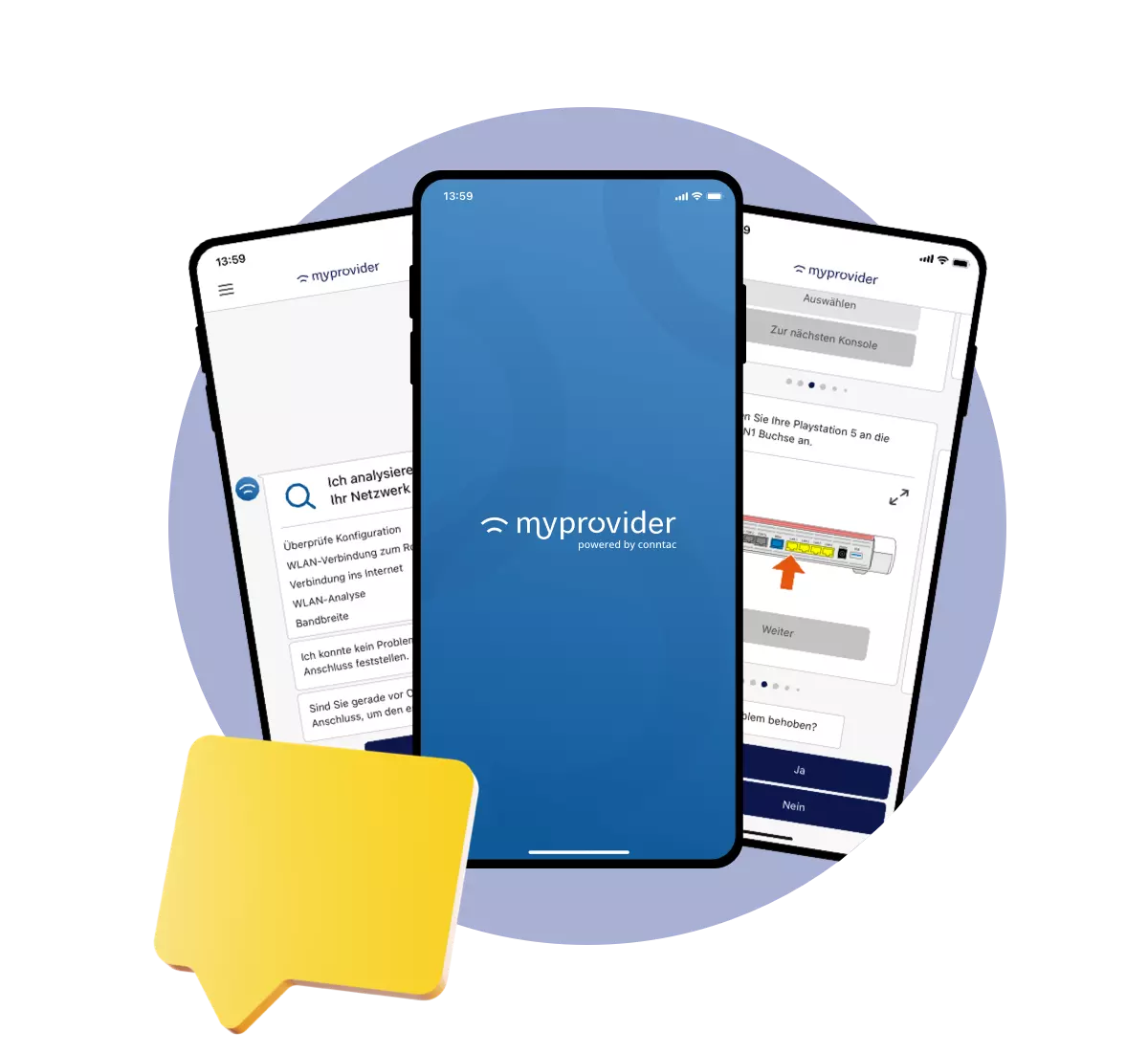
This is also consistent with experience from existing self-service projects. The M-net helps app was introduced, among other things, to better support customers with home network and WiFi issues and at the same time to make service processes more efficient.
Why the volume of inquiries will rise massively
Migration doesn't scale linearly. When millions of households have to switch at the same time, there are huge operational load peaks.
Particularly critical: Many of these contacts can be avoided. Not because customers ask “wrong questions,” but because the process itself does not provide sufficient guidance.
This is often reflected in typical patterns:
- Repeated queries
- Unnecessary hotline contacts
- Long voting loops
- High load at first level
- Escalating individual cases
The actual effort is often not caused by the technical solution, but by the lack of structure in front of it.
The real problem: lack of support
Many providers invest heavily in:
- Upgrading
- Infrastructure
- CRM systems
- Ticketing
- Network technology
The phase between contract conclusion and active use, on the other hand, often remains fragmented.
Typical reality:
- Information is distributed in PDFs, emails and portals
- Processes are not consistently managed
- Customers must interpret for themselves what needs to be done
This results in a high level of customer effort.
And it is precisely this effort that determines:
- How quickly connections are activated?
- How many contacts arise in support?
- How stable migration works operationally?
→ Why fiber activation determines the success of expansion projects
“We already have a ticket system” doesn't solve the problem
A common objection is: “We already have a ticket system.” The problem with this is that a ticket system organizes processes. It does not guide customers through the process. Migration primarily creates a need for orientation.
As a result, additional effort is often incurred precisely between:
- Capitalization
- Furnishings
- Support
- Feedback
- Handover
The connection between:
- Customer view
- Process status
- Technical context
- Support systems
This is where the actual operational gap is created. Self-service does not replace a ticket system. Self-service ensures that tickets are prepared, contextualized and handed over in a structured manner.
These include, for example:
- Transaction numbers
- Status information
- Steps already taken
- Pre-qualification of issues
This not only reduces the effort for customers, but also for service teams.

Why guided self-service is becoming relevant during migration
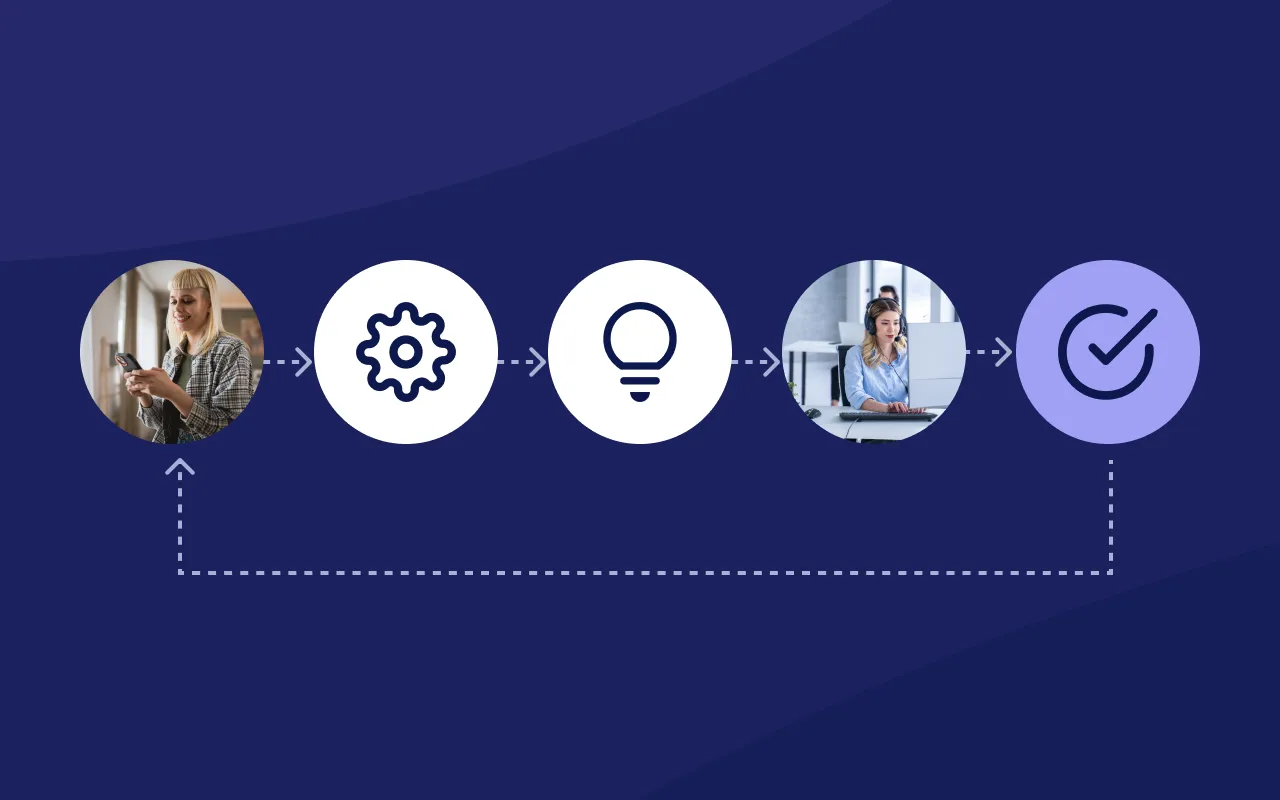
Migration requires process management. This is exactly where guided self-service processes come in. The difference to classic FAQ approaches: Customers don't just receive information. You will be guided step by step through specific situations.
Important elements in this regard:
- Understandable activation processes
- Initial router setup
- WiFi support
- Status and context information
- Clear next steps
→ Why the initial router setup is one of the most critical service moments
→ Best effort in customer service
One idea is particularly relevant: Migration is not a unique technical process. Migration is a guided transition.
Conclusion: The success of the migration depends on the service
The fiber optic market is entering a new phase. Expansion alone is no longer enough.
The actual operational pressure is created where millions of households at the same time:
- alternate
- be set up
- be activated
- need orientation
That is precisely why migration is increasingly becoming a service issue.
In the future, the decisive question will not only be: “How many connections were built? ”
Instead: “How many households actually use the connection – and with what effort? ”
At this point, it is decided whether migration scales in a controlled manner or escalates in support. The role of structured, managed self-service processes is therefore significantly more important: as a connecting layer between network, process and actual use.
The market is thus moving away from pure infrastructure logic – towards activation and service logic.


.webp "Rollout without IT effort")