Classification at a glance
- Fibre-optic networks are being expanded faster than they are being used
- The take-up rate remains below expectations in many places
- The bottleneck does not occur in the network, but after the connection
- The phase between contract conclusion and use is particularly critical
- Network levels 4 and 5 determine whether usage actually occurs
- Activation is not a technical issue – but a process and service issue
Why expansion doesn't automatically mean use
Fibre-optic expansion in Germany is making progress. More and more households have access to technology.
Nevertheless, there is a recurring pattern: Availability does not automatically lead to usage.
Recent figures from BEREC: “Europe’s Telecom Reality Check, 2026” show just how wide the gap is between deployment and usage: By 2024, 69.2 percent of households in the EU were already within reach of FTTP. FTTP penetration – that is, the share of fiber-optic connections among all households – stood at 39.9 percent, by contrast.
These figures should not be equated with the take-up rate commonly used in Germany, as that metric compares active connections to the number of “homes passed.” Nevertheless, the comparison shows that deployment creates the technical prerequisites but does not automatically lead to actual usage.
BEREC cites, among other factors, price differences, existing networks, limited willingness to switch providers, and a perceived lack of need in some cases. Added to this is the operational phase following the decision to install fiber optics: the connection must be activated, the router set up, and the connection reliably brought online.As a result, many connections remain unused or are activated only after a delay. The crucial part begins after the technical rollout.
What does fiber optic activation actually mean?
Fiber activation describes the transition from:
- technical availability
- for actual use in everyday life
A port is only considered activated when:
- the router is set up
- the connection is being used
- the customer is active on the network
This makes it clear that activation is not part of the expansion, but an independent process.
Why the take-up rate doesn't show the whole picture
Die Take-up rate measures the proportion of active connections.
However, it does not show:
- How long does activation take
- How much effort do customers have to invest
- How many contacts arise in the service
Two providers can have the same take-up rate and yet have completely different cost structures and customer experiences.
The decisive question is therefore: How does usage actually arise?
The critical phase: Between connection and use
After the contract is concluded, there is a gap:
- The connection is available
- Use hasn't started yet
During this phase, typical questions arise:
- When will my connection be activated?
- What do I have to do specifically?
- Which router do I need?
- Is everything working correctly?
These questions are rarely technically complex. They are caused by a lack of orientation. This is exactly where it is decided whether a connection is used – or not.
Network levels 4 and 5: Where use actually occurs
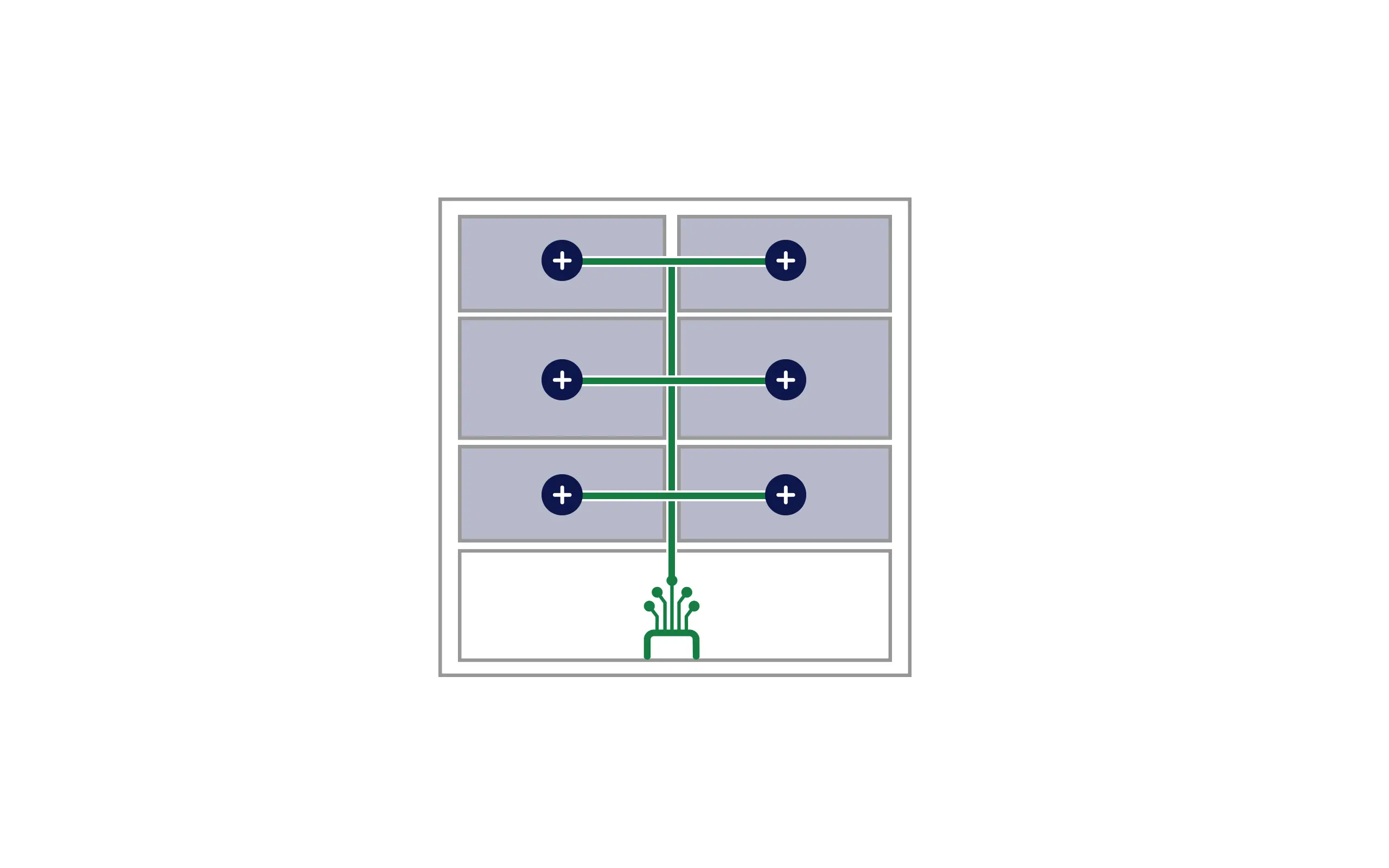
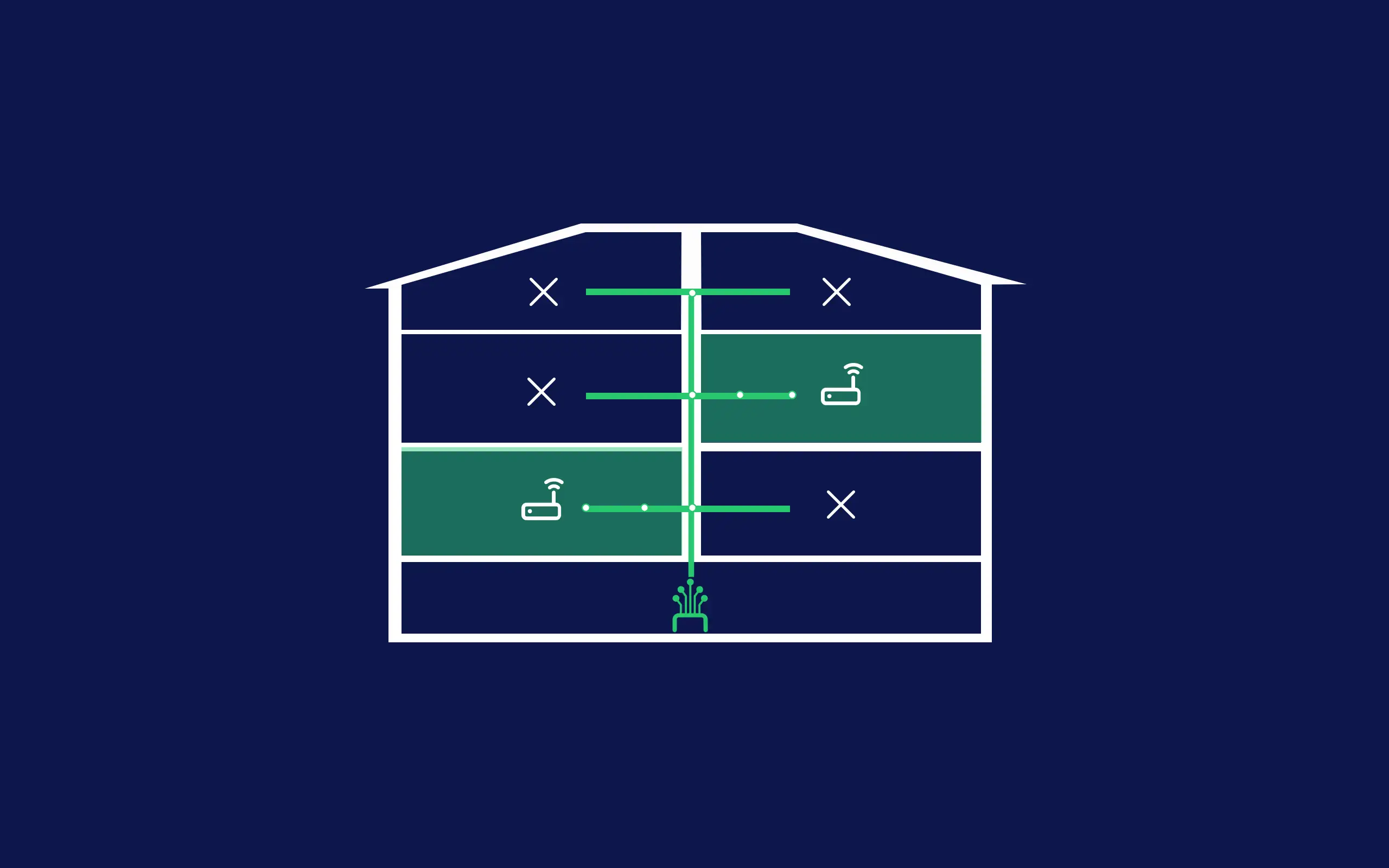
The fibre-optic expansion is technically ending in the building. However, use only begins in the home.
This phase is characterized by two levels:
- Network level 4: Infrastructure in buildings
- Network level 5: connection in the apartment
This is where technical requirements meet real usage situations.
Why there are so many support contacts during this phase
The majority of service requests are not caused by network disruptions.
But through situations such as:
- unclear setup steps
- problems in the home network (WLAN)
- wrong expectation of performance
- uncertainty with devices
→ Why WiFi problems arise in customer service
This results in:
- unnecessary hotline contacts
- repeated queries
- inefficient processes

The real bottleneck: lack of structure in the process
Many providers invest heavily in:
- upgrading
- infrastructure
- sales
The subsequent phase is often less clearly structured.
Typical situation:
- Information is distributed
- Processes are not continuous
- Customers must find out for themselves what needs to be done
Customer effort as a central tax variable
A central factor for activation is the effort that customers have to make.
The higher the effort:
- The later it is used
- The more support contacts arise
- The higher is the probability of termination
→ What is the customer effort score in customer service
This makes activation a clearly controllable variable: How easy is it to use?
Why migration increases the pressure even more
When copper networks are switched off, the pressure on activation increases.
Millions of households must switch.
Multi-family buildings are particularly affected.
→ Why fiber optics are often not used in apartment buildings
Migration thus reinforces exactly the area that is critical anyway.
Activation as an economic factor
Activation directly influences:
- Time-to-revenue
- Utilization of networks
- Efficiency of service processes
The faster a connection is used:
- The earlier sales are generated
- The more stable the planning becomes
- The lower are the support costs
The missing layer between network and usage
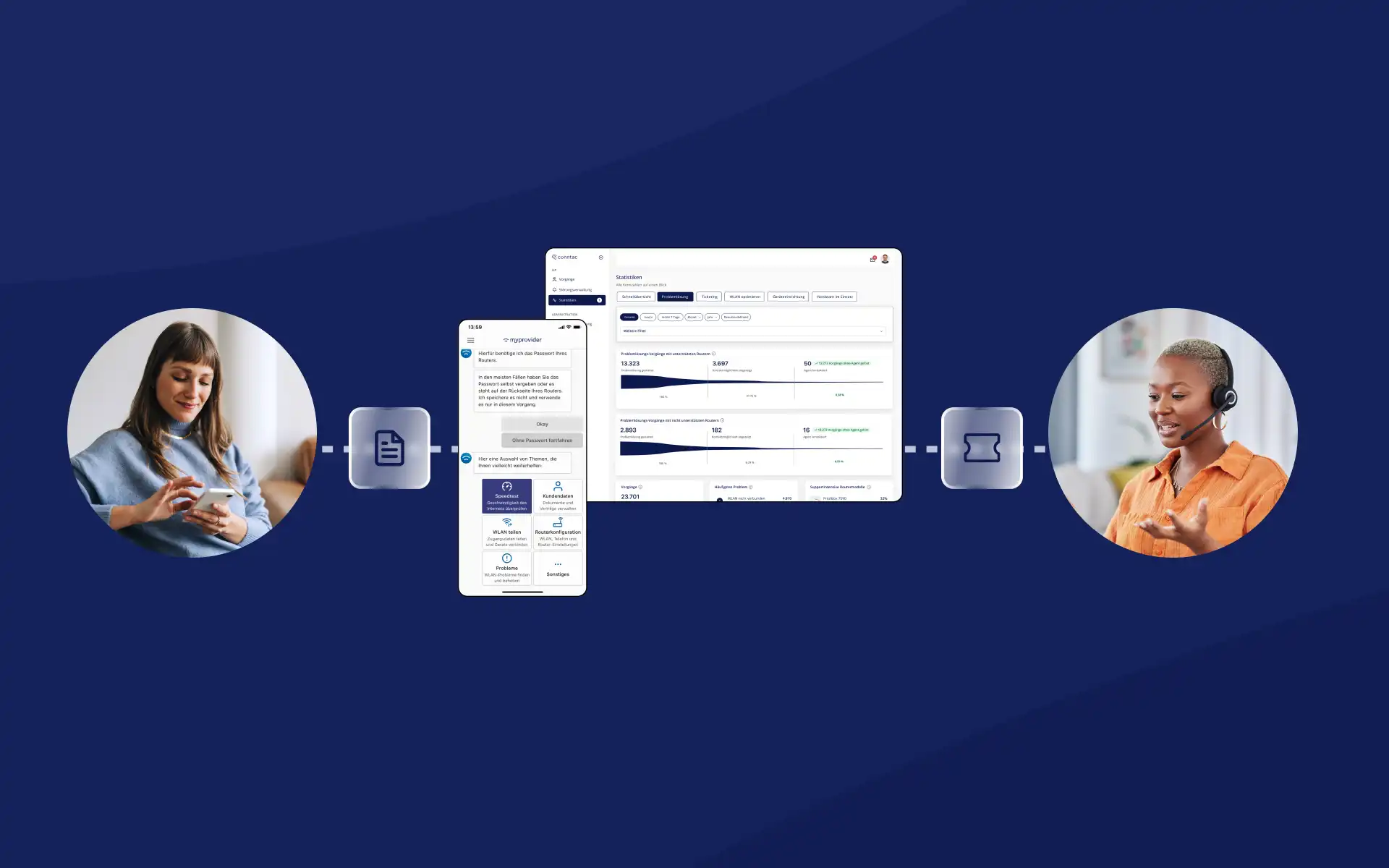
There is often no connecting layer between technical infrastructure and actual use.
This should:
- Provide orientation
- Structuring processes
- Provide contextual information
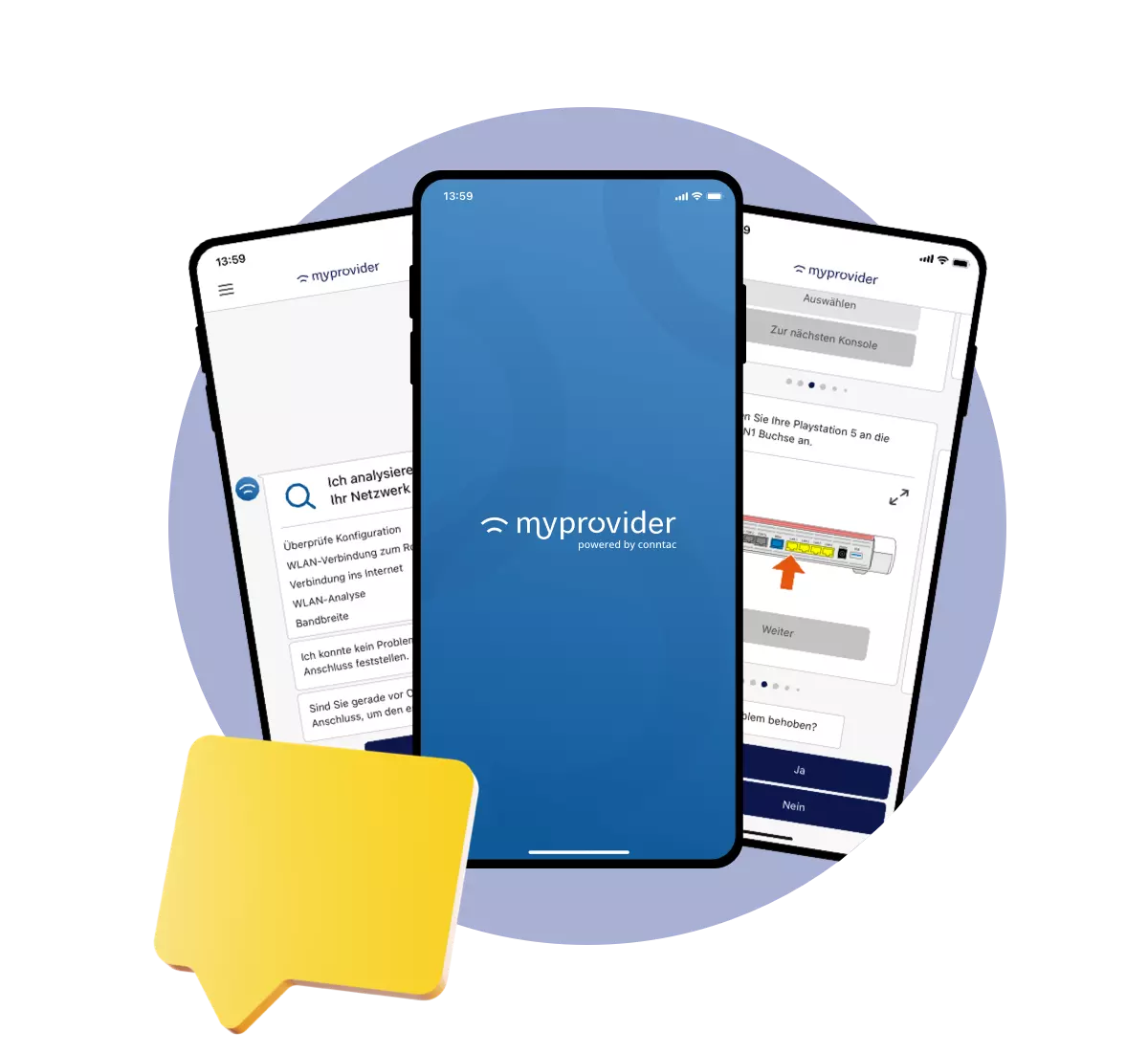
Without this layer, friction occurs. A guided self-service solution bridges this gap by serving as an interactive interface that engages customers immediately after the physical connection is established and guides them smoothly through all the necessary setup steps.
Self-service as a growth driver in the fiber optic market
Self-service is taking on a new role here:
- active leadership through the institution
- structured problem solving
- clear handover to support
→ Guided self-service in customer service explained
Self-service thus has a direct effect on activation:
- less effort
- faster use
- fewer abortions
Conclusion: Expansion creates availability – activation creates success
Fibre-optic expansion is the basis. Success comes from use.
Who designs activation in a structured way:
- reduces service costs
- increases usage
- realizes sales faster
Self-service platforms such as MyProvider show how this phase can be built up systematically – as a connecting element between connection and actual use.