Why apartment buildings are becoming a decisive phase in the fibre-optic project
The invisible break after expansion
In many regions, fibre-optic expansion is well advanced or is nearing completion. Contracts have been signed, house connections completed, expansion rates look good. On paper, the goal has been achieved.
And yet there is a quiet break in practice: actual use falls short of expectations. At the same time, service volumes are changing. Uncertainty does not arise during expansion, but afterwards.
This moment is often underestimated. This is because the technical expansion only marks a milestone – not the start of actual use. Especially in apartment buildings, it is decided in this phase whether optical fiber is actually being used or connections remain unused.
Funding accelerates expansion – and postpones the actual challenge
Programs such as the German “Grey Spots” funding program are currently accelerating fibre deployment across many regions. Areas that were underserved for a long time are now gaining access to high-speed networks.For public utilities and municipal network operators, this means one thing in particular: projects that would previously have taken several years to complete are now being implemented much faster. However, this progress also has a structural side effect.
The more successful the expansion is, the more focus is on a second phase: the phase after the conclusion of the contract. The expansion creates availability. However, he is not yet deciding whether optical fiber is actually being used. This shift is particularly visible where many connections are being made simultaneously – in apartment buildings, for example.
Why apartment buildings are not a side issue
Multi-family houses differ significantly from single-family homes in terms of structure – technically, organizationally and communicatively.
In a single-family home, the process is usually clear:
- A person makes decisions
- The connection is in the immediate vicinity for use
- Information channels are short
The situation is different in apartment buildings.
This is where several perspectives come together:
- Owners or associations of owners
- Property managers
- tenants
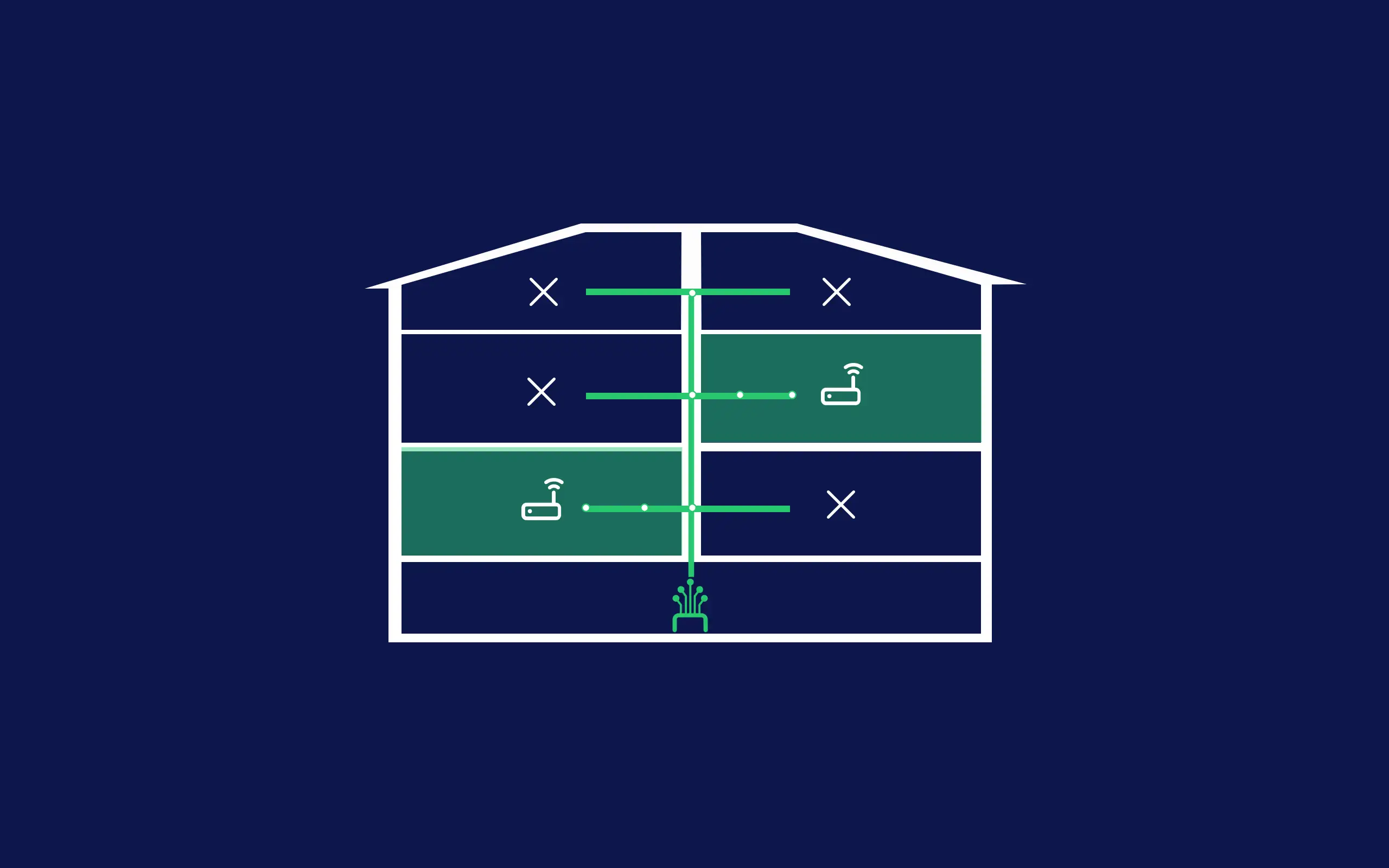
At the same time, the fibre-optic connection often ends in the basement – while actual use only begins in the apartments. This creates a structural transition between infrastructure and use. It is precisely this transition that is underestimated in many projects. Apartment buildings are therefore not a special case. They are often the next systemic bottleneck in the fiber optic market.
The moment after the contract is signed: When fiber is actually being used
After the contract is signed, surprisingly little happens in many projects. The connection is planned or has already been implemented. The technical basis is in place. And yet this is exactly where a phase of disorientation ensues.
Many tenants ask themselves questions such as:
- When is it really worthwhile to switch?
- What do I have to do myself?
- Which devices are necessary?
- Who do I contact if I have any uncertainties?
These questions are rarely technically complex. Rather, they revolve around classification, certainty of expectations and orientation.
Since there is often no clearly structured support, these questions end up on the hotline – even though there is no technical fault. Support thus becomes a substitute solution for a lack of orientation.Technical support in particular shows that it is not the complexity of the problems that matters, but the effort customers must invest to find a solution – a concept often described as Customer Effort in technical support.
An additional layer between contract and usage
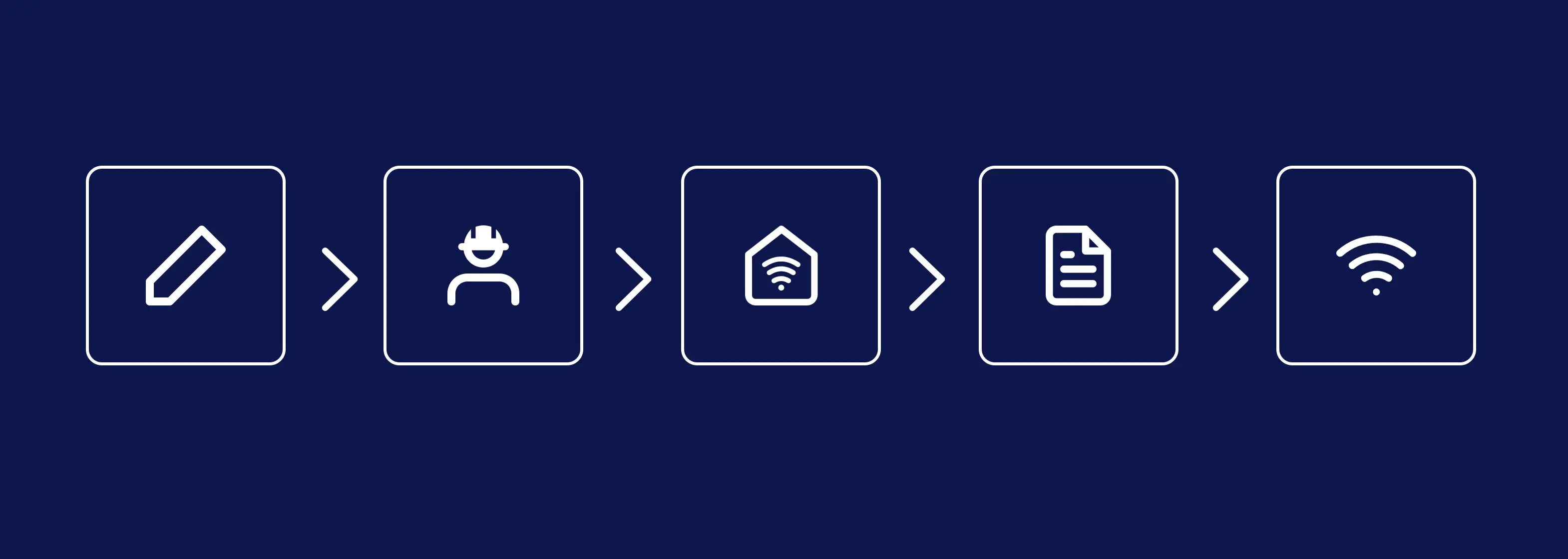
Some network operators are responding to this situation by introducing an additional layer between contract conclusion and use. This level has a simple goal: to provide customers with orientation at an early stage.
For example, it can:
- Classify next steps in an understandable way
- Answer typical questions early
- Make expectations transparent
- Make it easier to get started using
Important: This level does not replace existing systems. It complements them.
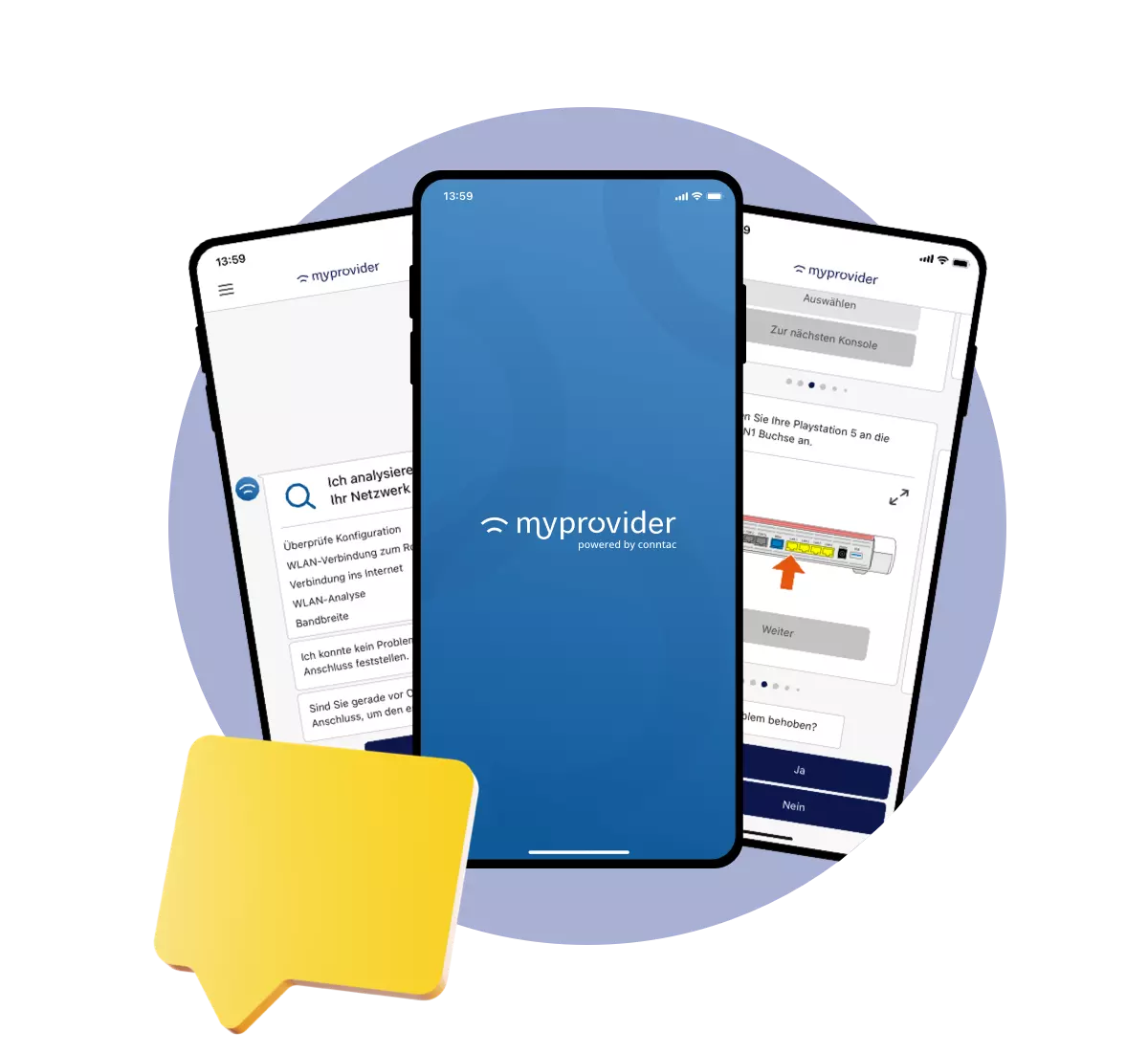
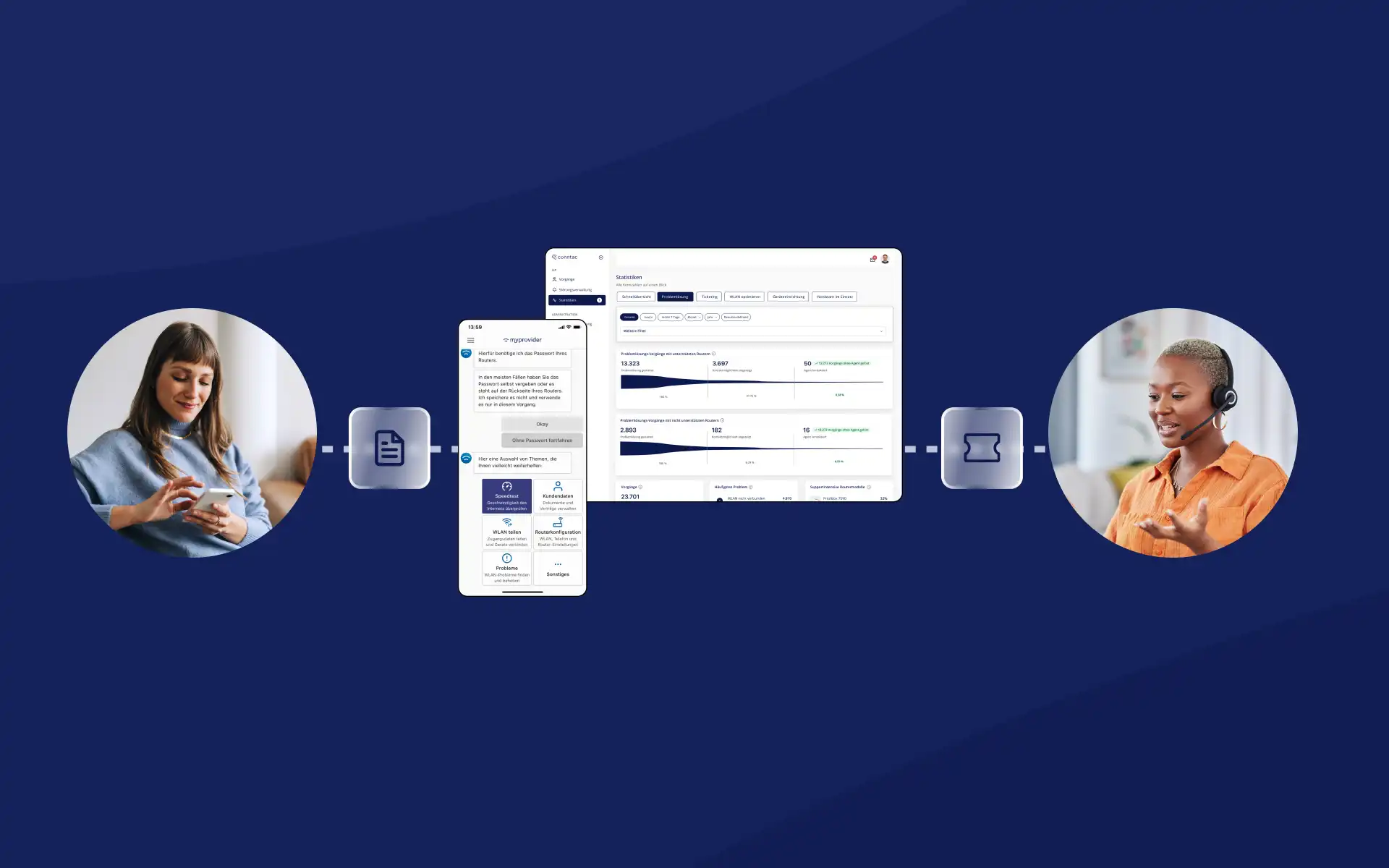
Approaches such as Self-service platforms act as a communication and activation layer between contract conclusion and actual use. They structure the transition and at the same time relieve existing service channels. The decisive point is not the tool itself, but the function it performs: providing orientation – exactly where it has been missing so far.
Three perspectives, one area of tension
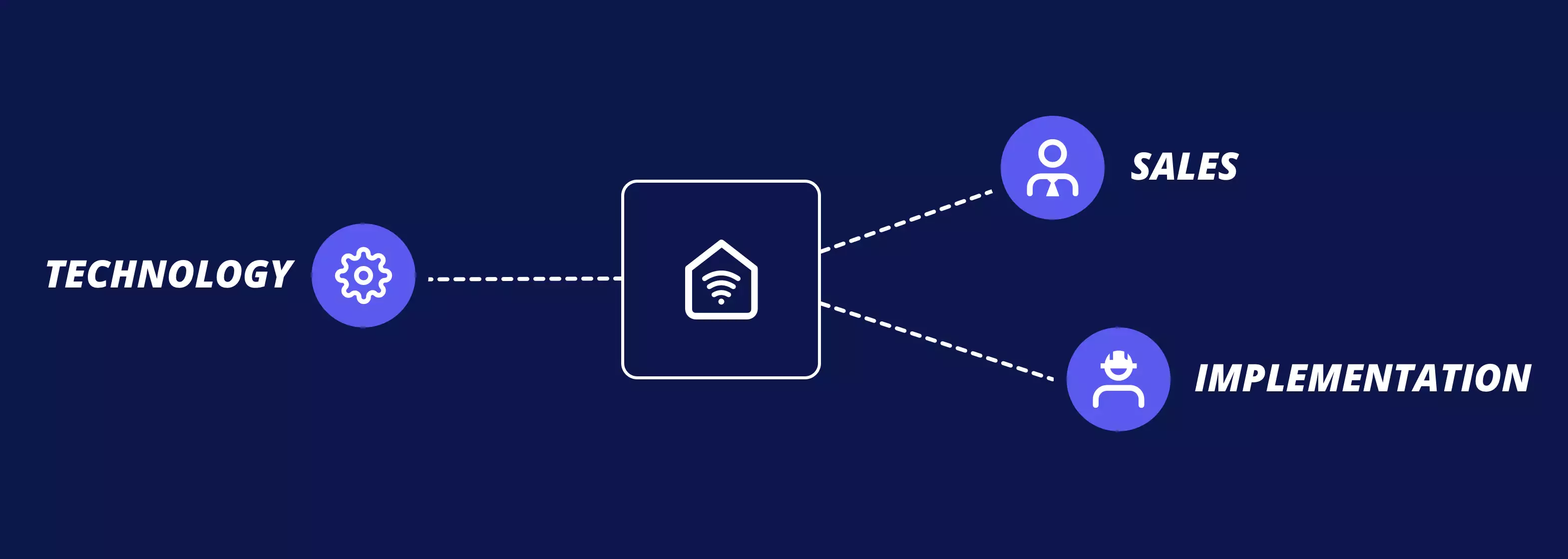
In the post-expansion phase, three different perspectives often come together within organizations.
Sales and marketing focus on activation and contract conclusion.
service organizations must ensure stable processes and control support volumes.
Technical areas prioritize stability and risk minimization.
All three perspectives are legitimate.
Problems arise not from different goals, but from a lack of common ideas about how the transition between expansion and use should be shaped.
Why new systems are reflexively rejected
When new solutions are proposed in this situation, skepticism often ensues. That is understandable.
Many organizations are undergoing several transformation processes at the same time:
- CRM migrations
- new ticketing systems
- IT Modernization
- Process harmonization
Large system implementations have often created additional complexity in the past. Rejection is therefore rarely an expression of disinterest. It is often a protective mechanism.
The mistake of thinking: Technology creates use
A common mistake in the fiber optic market is: When the infrastructure is up and running, use follows automatically. In practice, however, the picture is different. Technical expansion only makes it possible to use it.
Use itself is caused by three factors:
- orientation
- Expectation certainty
- accompanying communication
A network without accompanying communication is functionally correct — but incomplete. It is comparable to a product without instructions.
A different look at the post-expansion phase
Instead of introducing additional systems or completely rebuilding existing processes, it is worth taking a different look at this phase. The focus is not on technology, but on support.
One possible approach could be:
- Orientation immediately after contract conclusion
- understandable classification of the next steps
- Activation without additional operational pressure
- modular integration into existing systems
This actively shapes the transition between infrastructure and use — without creating new complexity.
This moment often becomes critical when the connection is activated for the first time. The initial router setup frequently determines whether customers get started successfully or require immediate support.
What decision makers should ask themselves now
Network operators, Internet providers and public utilities face a number of fundamental questions during this phase:
- Who accompanies customers after the contract has been concluded?
- Where does uncertainty arise today – and why?
- Which tasks should technology take on – and which deliberately not?
- How can additional complexity be avoided?
The economic success of fibre-optic projects is seldom decided during expansion. He decides in the next phase. Especially where many connections become a reality at the same time – in apartment buildings, for example.
Conclusion: Use doesn't start with infrastructure
The expansion of fiber optic networks remains the central requirement for digital infrastructure. But the real success only becomes apparent later: when connections are actually used. Especially in apartment buildings, this use is often decided in a short, often underestimated phase after the contract has been concluded.
Those who actively manage this transition not only create better customer experiences – but also more stable service processes and higher take-up rates in the long term. Self-service approaches such as MyProvider can play a role in this by providing orientation between contract conclusion and use and usefully complement existing service processes.


.webp "Rollout without IT effort")