At a glance
Once an order is placed, the most operationally demanding phase of the customer journey begins. Many support inquiries arise during setup, installation, and initial activation. A short time-to-activation improves the customer experience while simultaneously reducing service costs. Network operators can specifically optimize the activation phase through transparent processes and digital support.
The order is complete – now the real challenge begins
With the contract signed, the most important goal seems to have been achieved. From the network operator's perspective, a new customer has been won. From the customer's perspective, however, this is when it becomes clear whether their expectations will actually be met. The connection must be activated. A technician appointment is pending. The hardware needs to be set up. The router must be configured correctly. Finally, the Wi-Fi needs to work reliably throughout the entire home. Each of these steps influences the first experience with the new connection. This is precisely why many support inquiries occur not before the order, but immediately afterward.
Numerous process steps lie between activation and usage
Activation is often viewed as a purely technical procedure. In reality, it is a complex process involving multiple departments. These include, among others:
- Scheduling,
- On-site installation,
- Connection provisioning,
- Router setup,
- Wi-Fi configuration,
- Initial functional testing.
For customers, this process is rarely intuitive. They want to know:
When does the appointment start?
What preparations are necessary?
Which devices are required?
When can I get back online?
What happens when something doesn't work?
If these questions remain unanswered, uncertainty grows – and with it, the likelihood of a support request.
Many support cases are not technical issues
A large portion of inquiries during the activation phase are not caused by faulty connections. Much more often, it is a lack of guidance or confidence. Typical examples include:
- The router has not been connected correctly.
- The Wi-Fi has not been set up optimally.
- The activation is already complete but has not been recognized.
- The next step in the process is unclear.
- Customers are unsure whether everything is working correctly.
Technically, the connection is often already operational. From the customer's perspective, however, there is still a problem. This is exactly where it is decided how efficiently customer service can operate.
Activation is a shared responsibility
Responsibility does not end with the technical rollout. Marketing has set expectations. Sales has closed the contract. Operations organizes the installation. Customer service supports the first steps of usage. For customers, this forms a cohesive process. Unclear responsibilities or contradictory information quickly lead to frustration. Therefore, activation should be viewed as a cross-departmental process – not as an isolated technical task.
Key metric in focus: Time-to-Activation
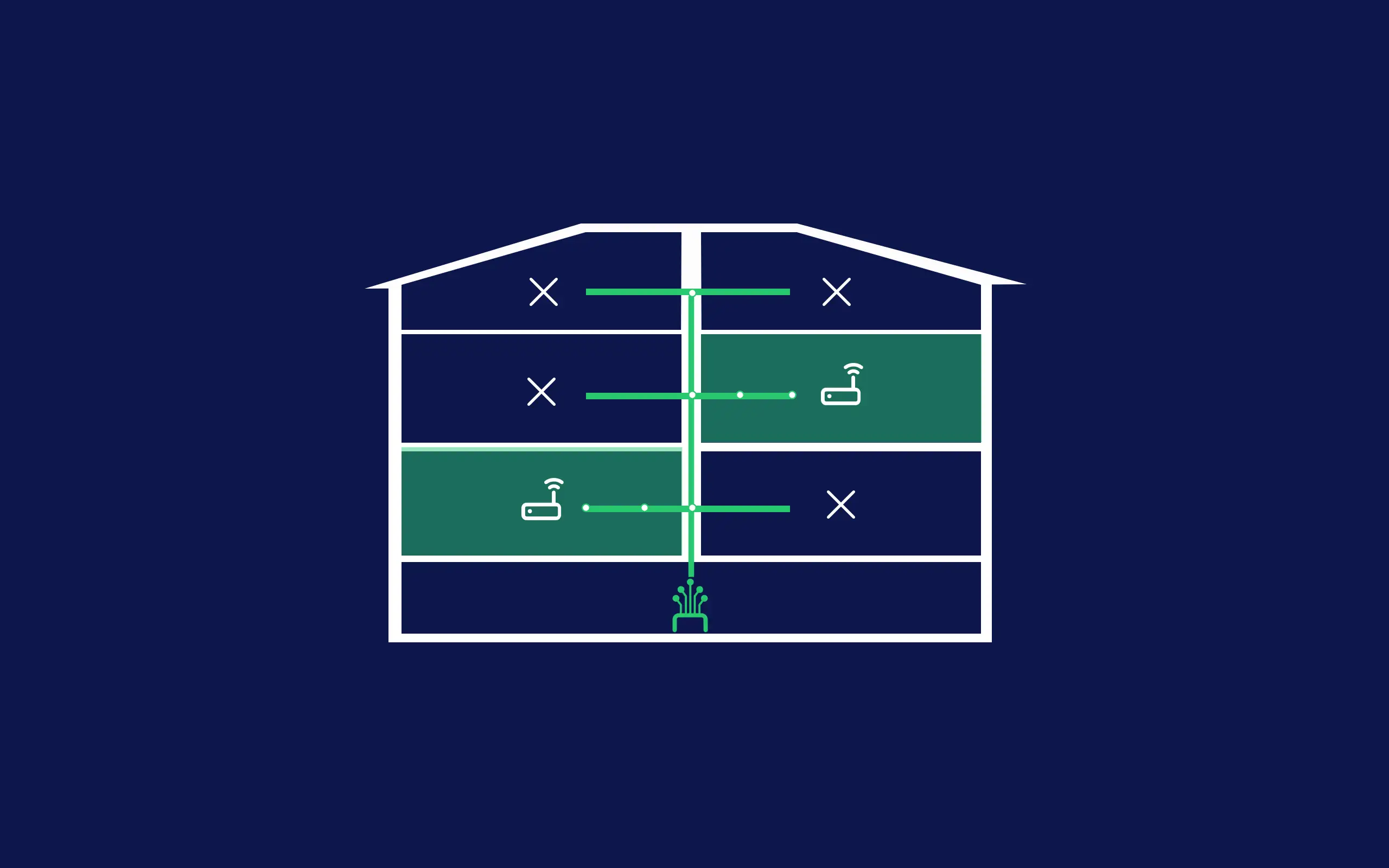
With rising expansion rates, a new metric is gaining importance: Time-to-Activation.
It describes the time between the provision of a connection and its successful use. The shorter this phase, the faster an investment becomes an active connection, the sooner revenue is generated, the lower the support volume, and the more positive the initial customer experience. Time-to-Activation thus bridges economic goals and customer experience. It is increasingly becoming a central management metric in the fiber-optic market.
.webp)
Every delay creates extra work
A long activation phase impacts several areas at once. For customers, it means:
- longer wait times,
- uncertainty,
- additional coordination effort,
- a poorer initial experience.
For network operators, it results in:
- more support inquiries,
- higher service costs,
- more complex scheduling,
- delayed revenue recognition.
The longer the activation is delayed, the greater the risk of further follow-up questions.
Transparency reduces support effort
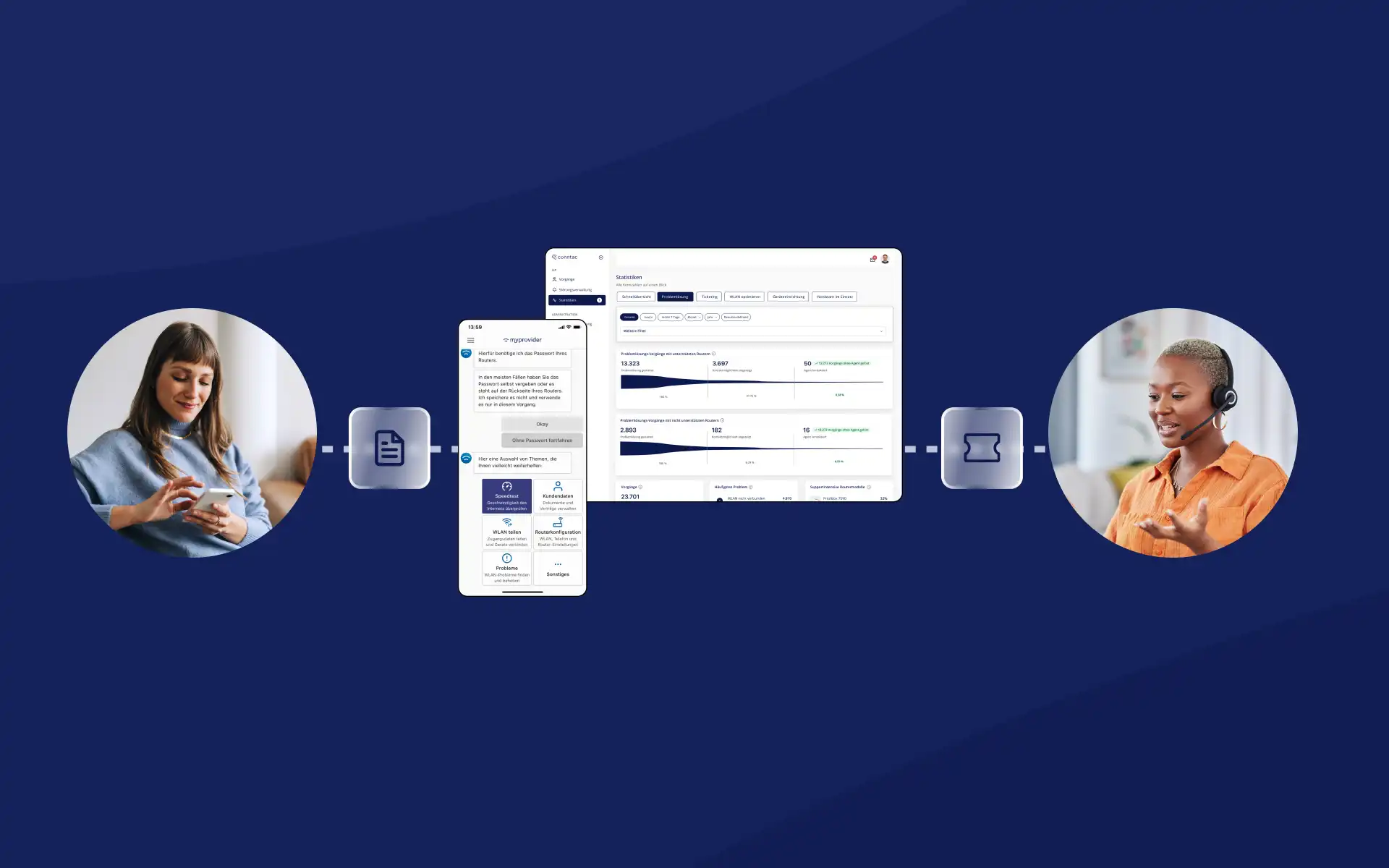
Many inquiries do not arise because something has gone wrong. They arise because the current status is not visible. Customers want to know if their connection has already been activated, when the next step will take place, if their setup was successful, and if there is anything they still need to do themselves. Digital status updates, clear instructions, and guided processes create exactly this transparency. As a result, the need to contact customer service decreases.
Self-service supports activation
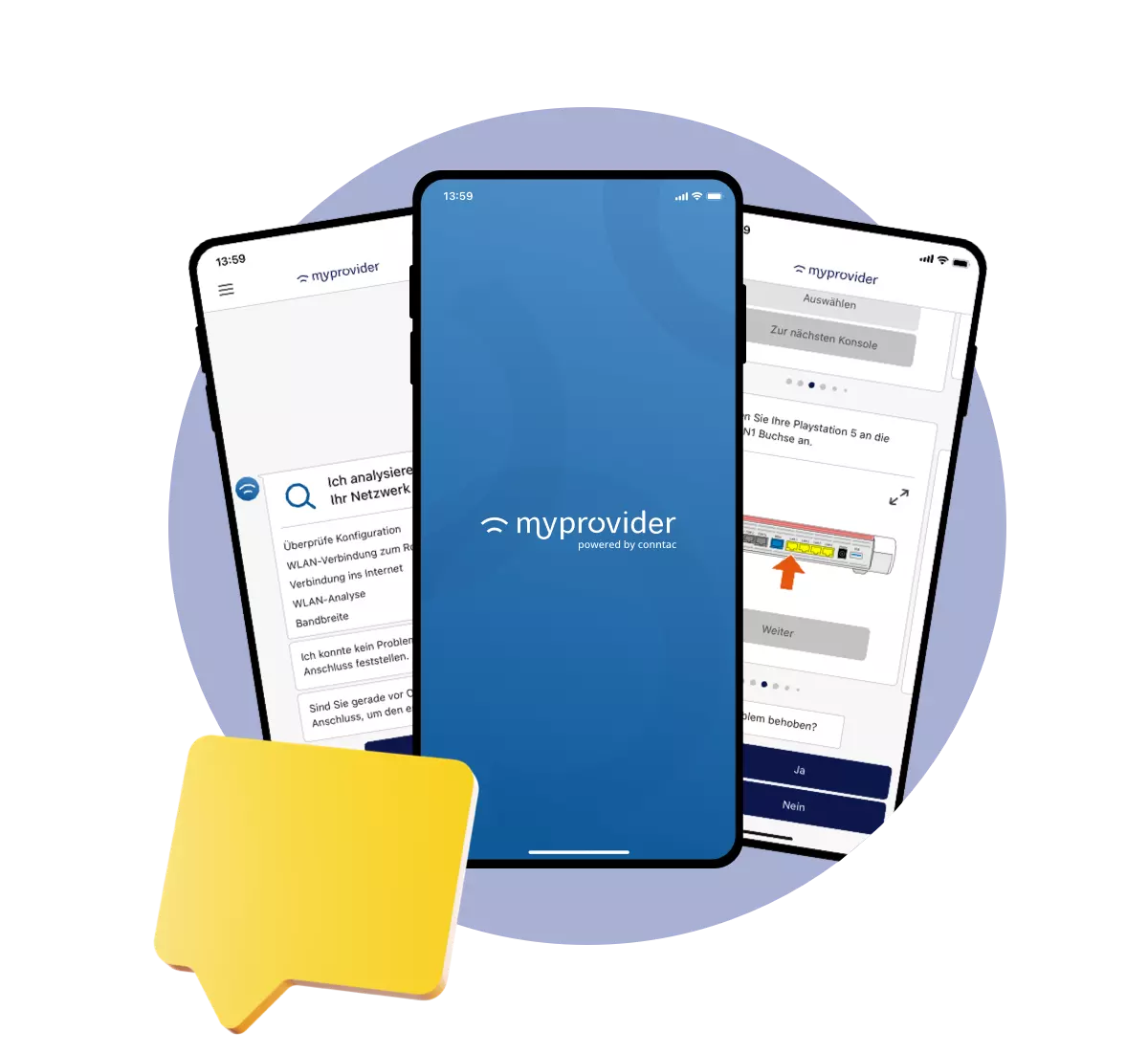
Modern self-service solutions guide customers through the entire activation phase. For example, they can:
- provide step-by-step instructions,
- display the current status,
- automatically detect common errors,
- provide assistance with router setup,
- offer support for Wi-Fi issues.
This resolves uncertainties immediately during the process. Many issues can be cleared up before a call or ticket is even created.
Activation determines the first impression
The first few hours after service activation often shape the perception of the entire provider. If the activation goes smoothly, trust is built. If, however, there are delays, uncertainties, or repeated questions, it has a direct impact on customer satisfaction. Therefore, the first impression is not formed when the contract is signed. It is formed the moment customers try to use their new connection for the first time.
Conclusion
With the increasing expansion of fiber optics, activation is becoming one of the most important operational phases in the entire customer journey. This is where technical processes, organizational workflows, and customer expectations collide. Network operators who actively manage this phase benefit in multiple ways. They shorten the time-to-activation, reduce support costs, improve the customer experience, and simultaneously increase the economic utilization of their networks. In the next article in this series, we will look at the final step of the take-up journey and show why a successful activation alone does not guarantee long-term usage.
FAQ
What does time-to-activation mean?
Time-to-activation describes the time between the provision of a fiber optic connection and its successful use by customers.
Why do so many support contacts occur during activation?
Many inquiries are not related to technical faults. Often, information regarding the current status, router setup, or the next steps in the process is missing.
How can network operators improve the activation phase?
Through transparent communication, digital status updates, clear step-by-step instructions, and self-service options that guide customers through the setup process.
Why is activation economically significant?
A short and seamless activation process leads to active connections faster, reduces service costs, and improves the initial customer experience. This increases the likelihood of long-term usage.
Read more
Download our whitepaper "Take-up is not created by expansion" (DE) and learn how to systematically optimize the activation phase and shorten your time-to-activation.