At a glance
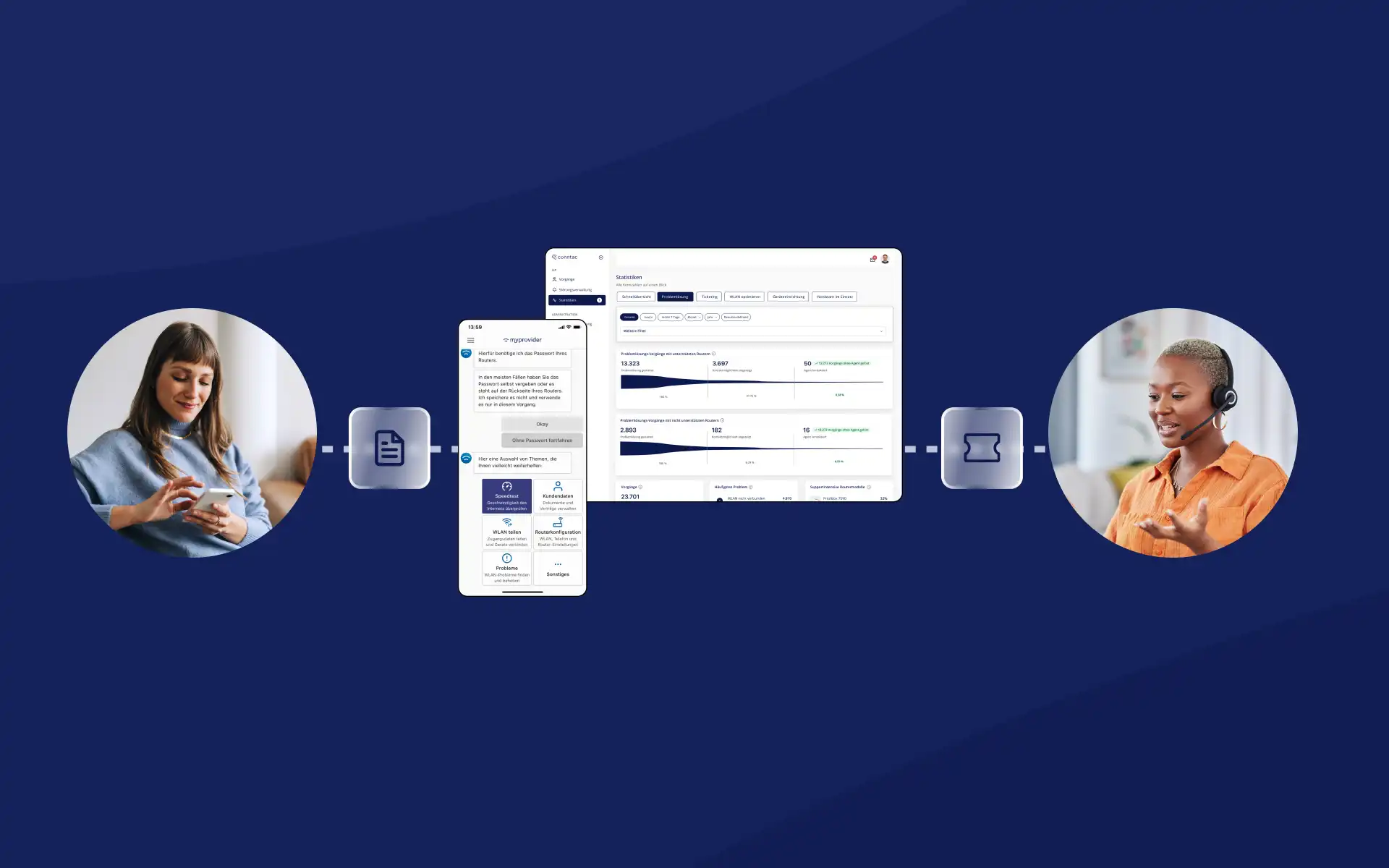
Interest in fiber optics does not automatically lead to an order. There are numerous uncertainties between the information phase and signing a contract. The decision-making process is collectively influenced by marketing, sales, customer service, and operations. Reducing friction improves conversion and increases the take-up rate.
Interest is not the same as a decision
Many network operators measure the success of their marketing based on incoming orders. However, there is often a critical phase between interest and signing a contract. People learn about fiber optics, check availability, and recognize the benefits. Yet, they do not immediately decide to get a connection. This does not necessarily mean they are not interested. Often, they simply lack the information needed to make a confident decision. That is precisely why it is not enough to view the ordering process solely as a sales task. The real challenge lies in reducing uncertainty and making the next step as easy as possible.
Why people decide against ordering despite being interested
From a network operator's perspective, switching to a fiber optic connection often seems straightforward. For customers, the situation looks different. They are making a decision that affects their internet, their connectivity, and their daily lives. This leads to many practical questions:
Do I have to cancel my current contract myself?
When does the switch take place?
Will my internet work during the transition?
Do I need to buy new hardware?
Will a technician need to visit?
How long does the setup take?
Every unanswered question increases the perceived effort. The greater this effort appears, the more likely the decision is to be postponed or abandoned entirely.
Decisions are not made by sales alone
In many companies, marketing's responsibility ends with lead generation, at which point sales takes over. In reality, however, the purchasing decision is formed across multiple touchpoints. Marketing generates awareness. Information resources provide guidance. Sales answers individual questions. Operations plans installation and activation. Customer service handles inquiries. For interested parties, these areas form a single, unified process. Contradictory information, long wait times, or unclear responsibilities therefore have a direct impact on conversion.

Process quality influences conversion
High conversion rates are rarely the result of persuasive sales arguments alone. The quality of the entire process is just as important. People find it easier to make decisions when they understand the next steps, what tasks they need to handle themselves, what dates are scheduled, and when their connection will be ready to use. Transparent processes build trust, while unclear processes create uncertainty. This distinction is crucial for fiber-optic connections in particular, as many customers are going through the process for the first time.
Key Metric in Focus: Conversion Rate
The conversion rate measures how many interested parties actually order a fiber-optic connection. It is often viewed purely as a sales metric, but in practice, it depends on many more factors. These include:
- the quality of the information phase,
- the clarity of the ordering process,
- accessibility for questions,
- transparency regarding the subsequent steps,
- the perceived complexity of the activation.
A declining conversion rate does not necessarily indicate a lack of interest. It often points to friction within the process.
Small points of friction add up
Not every hurdle leads to an immediate cancellation. Often, several small uncertainties arise in succession. For example: A potential customer checks availability. The expansion information differs between the website and the hotline. An installation appointment is only available several weeks later. It remains unclear whether the existing router can still be used.
None of these questions alone prevents the order. Together, however, they lead to the decision being postponed. It is precisely these small points of friction that influence the take-up rate more than many companies realize.
Digital process guidance supports decision-making
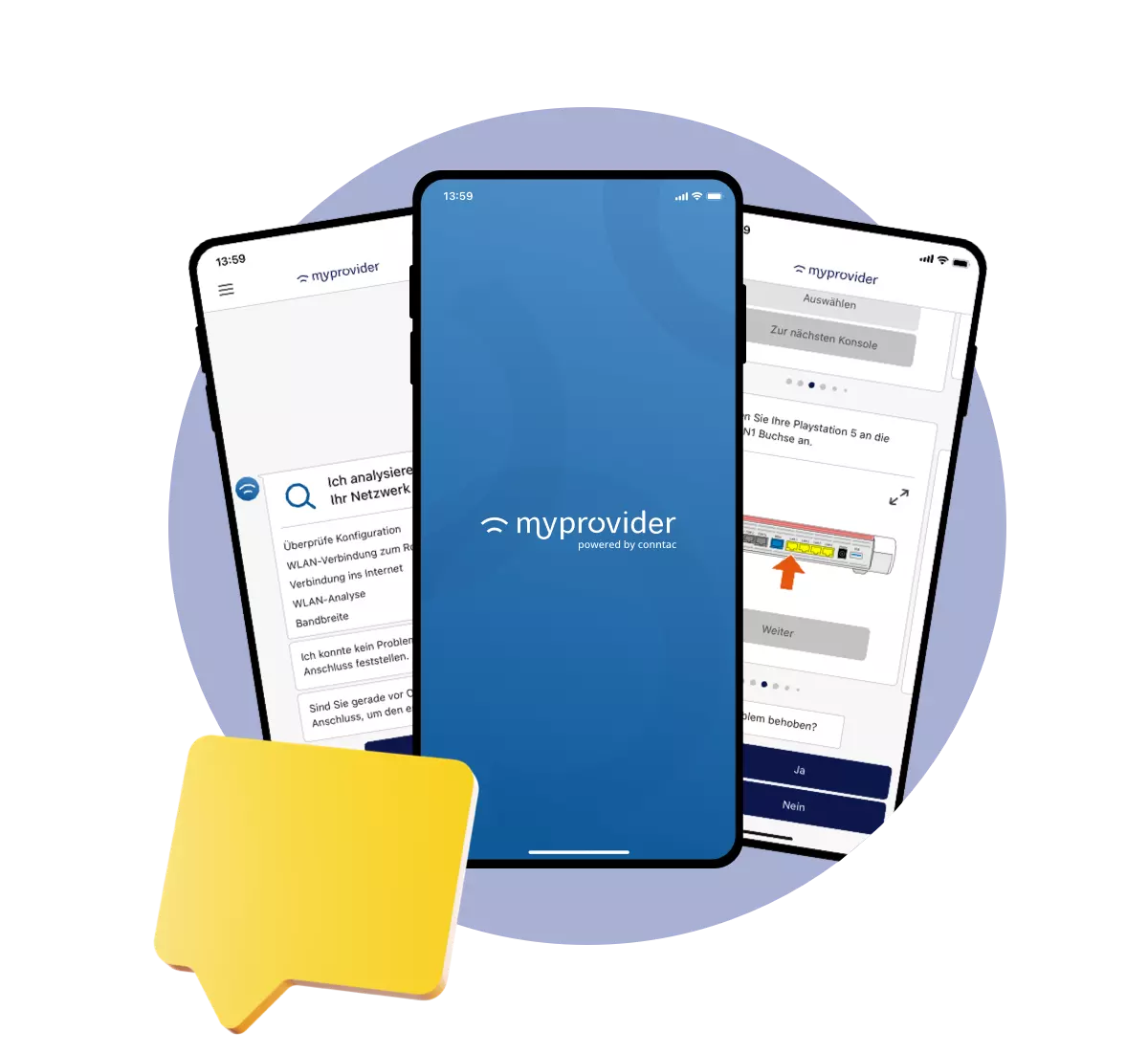
More and more network operators are therefore relying on digital support throughout the decision-making process. This includes, for example:
- guided ordering flows,
- digital checklists,
- automatic status updates,
- clear explanations of individual process steps,
- digital support for follow-up questions.
The goal is not to provide as much information as possible. What matters is that interested parties always know what happens next. This reduces the perceived effort and makes decisions easier.
The decision doesn't end with the order
Signing the contract merely marks the end of this phase. For customers, the next challenge begins immediately afterward.
When will activation take place?
How do I prepare for the installation appointment?
When can I actually start using the connection?
The better these transitions are designed, the lower the risk of subsequent questions and delays. That is why network operators should not view the decision in isolation, but rather as part of an end-to-end customer journey.
Decision-making is a shared responsibility
A high take-up rate is not the result of isolated optimizations. It happens when marketing, sales, operations, and customer service work toward a common goal. This means:
- consistent information,
- transparent workflows,
- clear responsibilities,
- understandable communication,
- consistent process management.
Only when these areas interlock does interest turn into a successful activation.
Conclusion
Ordering a fiber-optic connection is about much more than just closing a sale. It is the result of a decision-making process influenced by many small factors. Every uncertainty, every wait, and every unclear process step increases the risk that interested parties will postpone their decision or abandon it altogether. Network operators who systematically reduce this friction not only improve their conversion rates but also lay the foundation for a higher take-up rate and a more efficient activation process. In the next installment of this series, we will look at this very next step and show why activation is currently one of the biggest operational challenges in customer service.
FAQ
Why do potential customers not order a connection despite fiber-optic availability?
The reason is often not a lack of interest, but uncertainty regarding the process. Unclear information, long wait times, or unanswered questions about the installation lead to decisions being postponed.
Which factors influence fiber-optic conversion?
In addition to marketing and sales, transparent processes, clear information, appointment scheduling, customer service, and digital support all play an important role.
Why is the conversion rate not just a sales metric?
Conversion is influenced throughout the entire customer journey. The information phase and the quality of subsequent processes directly impact whether interested parties sign a contract.
How can network operators improve the decision-making process?
By providing clear process guidance, consistent communication, digital self-service options, transparent status updates, and fostering close collaboration between marketing, sales, operations, and customer service.
Read more
Download our whitepaper Take-up is not created by expansion (DE) and learn how to systematically optimize your entire decision-making process.




.webp "Network expansion is no longer the bottleneck – why the take-up rate determines the success of fiber-optic networks")