App with confetti, hotline with waiting time – the service paradox
Many companies invest in highlights such as colorful apps, charming newsletters and small surprises. But while some people smile briefly, the majority of the target group hangs out on the hotline or clicks through complicated portals. The contradiction is obvious: Enthusiasm is celebrated, simplicity is neglected.
But it is precisely this simplicity that is the strongest driver for loyalty. A Harvard Business Review analysis shows: Customers who can solve their problem with little effort are significantly more willing to buy again. Enthusiasm creates attention – effortless service creates trust.
CES beats NPS – the key figure that really counts
For a long time, Net Promoter Score (NPS) and Customer Satisfaction (CSAT) were considered a measure of customer satisfaction. However, it is now clear that the Customer Effort Score (CES) is the more reliable indicator of customer loyalty. CES measures how much effort customers have to make to resolve a concern – for example in the event of a malfunction, a contract change, or router setup.
A large scale Harvard Business Review study shows: 94% of customers with little effort are ready to buy again, while high effort leads to migration and negative word-of-mouth significantly more frequently.
Why effort does more harm than enthusiasm good
Psychologically, this is easy to explain. Behavioral economics research proves the principle ”Bad is stronger than good”: Negative experiences have a stronger and longer effect than positive ones.
One exciting moment can last ten interactions – but one frustrating experience erases everything. In service practice, this means that a quick, clear solution weighs more than any “wow” gesture. Leading customers through simple, self-determined processes reduces frustration, strengthens trust and creates emotional connection.

M-net case study: When self-service creates real proximity
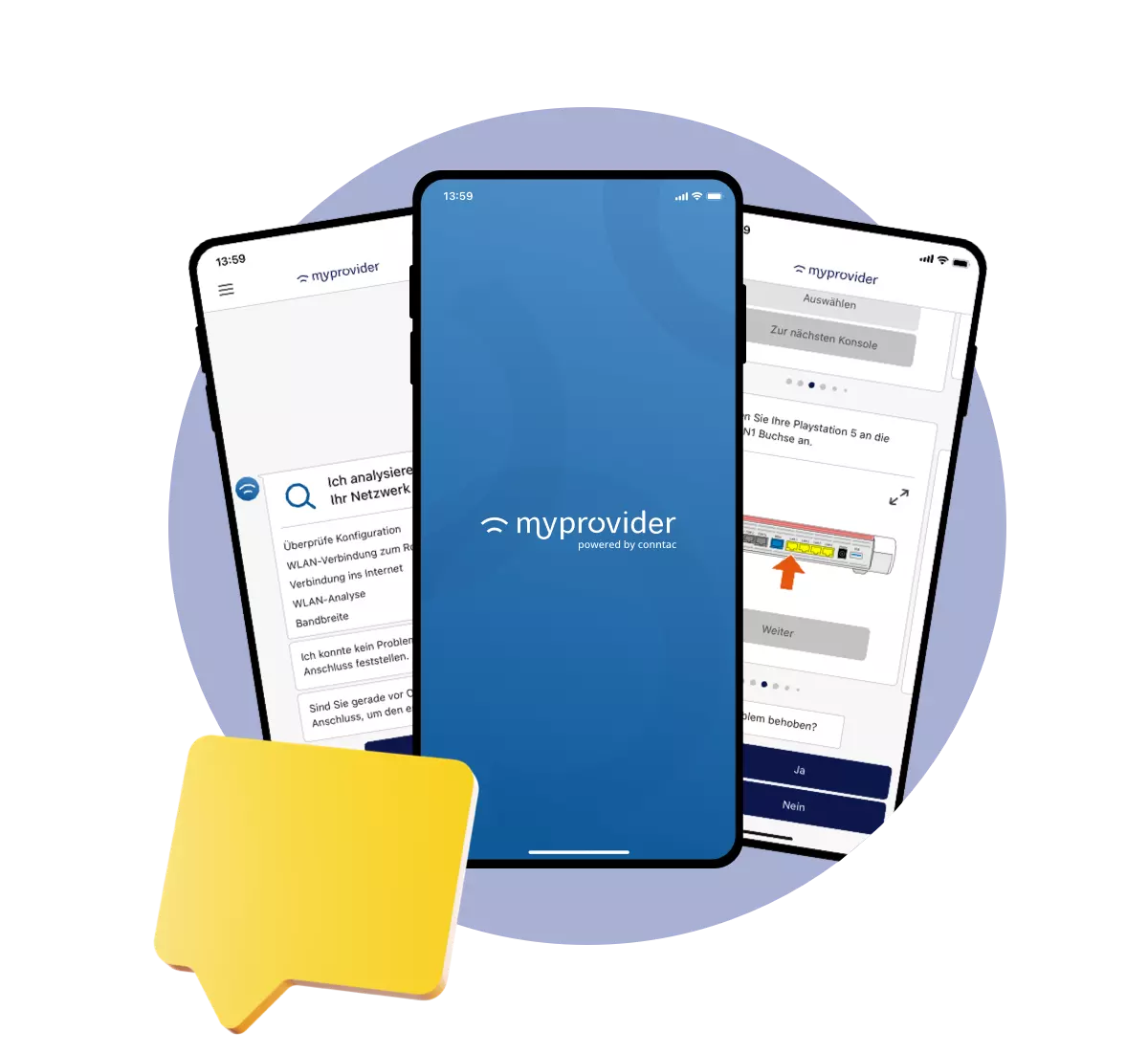
M-net provides a good example. With the ”M-net hilft App”, based on Conntac's self-service solution, the workload for customers has been drastically reduced. Whether router setup, WiFi optimization or troubleshooting – the app guides you step by step, automatically recognizes technical problems and, if necessary, leads directly to support. The result:
- Significantly fewer hotline calls for recurring topics
- Significantly higher initial solution rate
- Increasing customer satisfaction while at the same time reducing service costs
The effect is clear: Simplicity creates proximity because customers feel understood – without ever having to fill out a support form.
Areas of action for companies
1. Think processes from the customer's perspective
Each contact line should be checked to see if it creates friction. Are the steps logical? Are there unnecessary queries or waiting times? An internal Customer Effort Map uncovers hidden obstacles.
2. Establish self-service as a basis
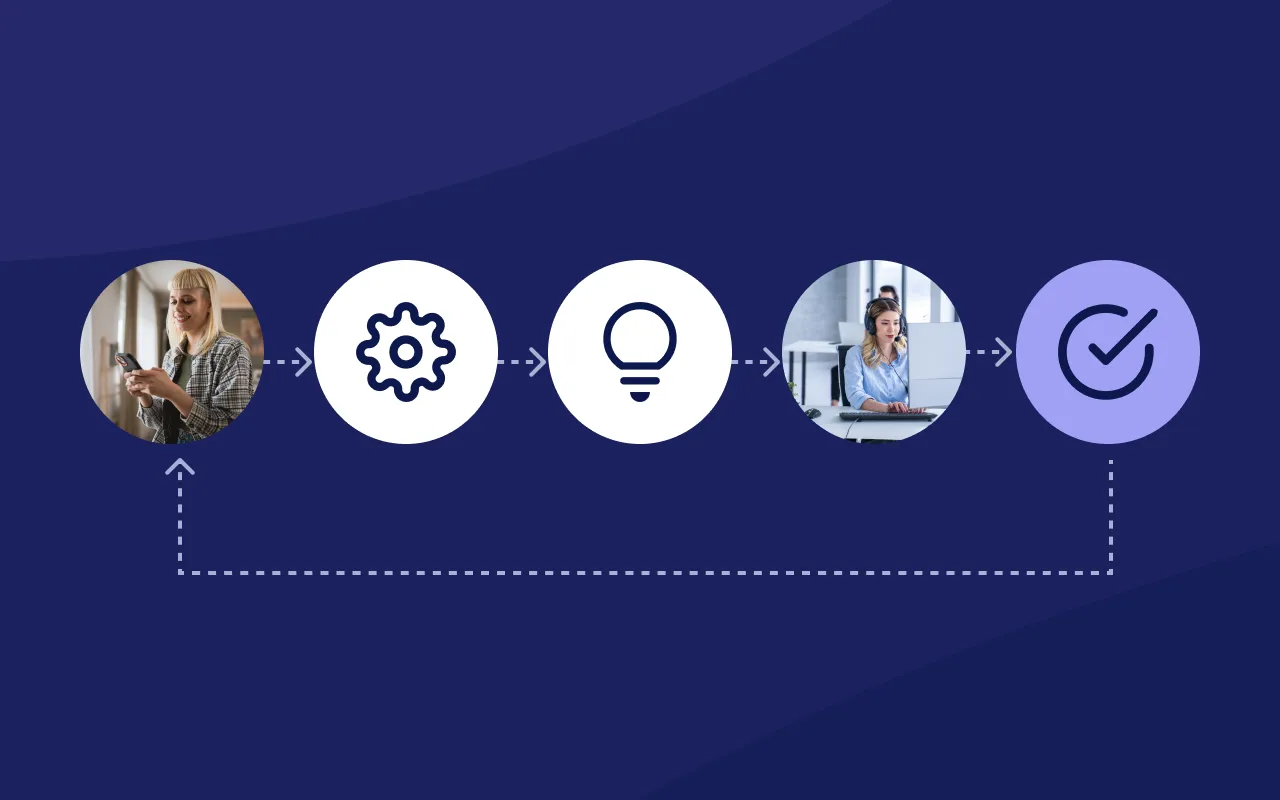
Self-service is not an additional feature, but a core component of modern service strategies. A self-service app or digital customer portal allows customers to solve problems themselves – quickly, intuitively and around the clock. Internet providers or public utilities in particular show that anyone who consistently integrates self-service reduces support costs and at the same time increases the customer satisfaction.
3. Create transparency and control
Customers want to know what's happening. Real-time status messages, comprehensible steps and clear communication return control. This reduces inquiries and strengthens trust.

Conclusion: Simplicity is the new principle of enthusiasm
Customer expectations are changing: Enthusiasm remains nice, but simplicity is key. It saves energy, creates satisfaction and promotes loyalty – without fireworks. Companies that simplify their service processes invest in an invisible but powerful asset: the trust of their customers.
Self-Service Solutions such as MyProvider show how to do this – by reducing complexity, empowering customers and making real service noticeably simple.
Download the white paper on the topic ”Understanding CES“ and learn how to design service processes effortlessly.


.webp "Less effort, more loyalty – Customer Effort Score (CES)")